
Sunday, December 31, 2006

What not to put on a CV


I received an e-mail today from someone applying for a sleep fellowship at the local university (I briefly held the position of sleep fellowship program director before I left the university in 2005). The following was included in the applicant's cv:

HONORS AND AWARDS:

2006- Selected in
Strathmore’s Who’s Who
Strathmore’s Who’s Who publishes annual registry of outstanding professionals based on one’s position and accomplishments. Inclusion is limited to individuals who have demonstrated leadership and achievement in their occupation, industry or profession.

2006- Selected in
Marquis Who’s Who in the world
Marquis Who’s Who publishes annual directory of leading citizens from all over the world in different professions.

Lucky for him I am no longer program director, I would have just deleted his application. I forwarded his application to the current program director.

Some foreign medical graduates do not realize that these Who's Who books are just scams in which your brief biography is published in hopes that you will spend a lot of money on the book. Do not put it on your cv.


Welcome to Mississippi


This Marshall Ramsey cartoon was reprinted in today's Clarion Ledger.

Obesity is not good for the health status of Mississippi, but it does make it a good place to practice sleep medicine (which from a financial standpoint is the treatment of sleep apnea). The population of Mississippi is less than 3 million, yet there are over 40 sleep labs in the state.

Saturday, December 30, 2006

Thanks to my Readers


Rebel Doctor and sleepdoctor blogs got click # 50,000 today. Still a while to go before I catch up to blogs with 1 million clicks. I am going to try to increase the frequency of posting over the upcoming year. It wouldn't hurt if Kevin MD linked to at least one of the blogs. And I need to get back into submitting to grand rounds on a regular basis.
Thanks to those who have read Rebel Doctor and sleepdoctor, and to those who have linked to the blogs. I especially want to thank those who patronize my advertisers, and allow me to earn 50 cents a day from Google adsense.

Michael Rack, MD

Tuesday, December 26, 2006

Not Everyone Benefits from Health Insurance

USA Today has a feature in their financial section in which they present a person's financial problems and then have an expert devise a financial plan for that person. I think USA Today got it wrong this time.
The financial problem:
Dana Dwyer, 24, had just quit her first job after college as a manager at a Ralph Lauren store in Miami and hadn't started her second yet when, wham!
She was in a car wreck. Her front teeth were knocked out, and her palate was broken. In between jobs, she had no health insurance.

Worse, though, was the $16,000 bill. Dwyer was forced to use her savings and work out a deal with the hospital to pay $200 a month.
"I paid $2,000 upfront to have my teeth fixed," she says. "You have to have teeth."

Their Solution:
Davis recommends that Dwyer buy an individual health insurance policy — she could get coverage for about $300 a month in Florida — before she focuses on paying down credit card debt. "She's one more bad drive down the street from being right back where she was" when she had a wreck, the planner says.
I think Dana Dwyer is currently getting a good deal. Instead of paying $300 per month for bare bones health insurance coverage, she is paying $200 per month to the hospital- a savings of $100 per month.
Even if she did have health insurance at the time of the accident, she would probably still owe the hospital- many health insurance plans exclude injuries that are the result of motor vehicle accidents. What she really needs is a good automobile insurance policy.
-----------------------------------------------------------------------
I was recently in an auto accident with some minor injuries. Luckily I have good auto insurance.

Monday, December 18, 2006

The New York Times Slams Eli Lilly (again)


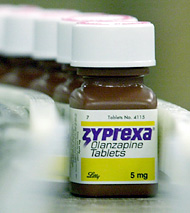
Earlier I posted about Eli Lilly withholding information from the public and physicians about some of the dangerous side effects of Zyprexa, an antipsychotic used for the treatment of schizophrenia and bipolar disorder. Today the New York Times reports that Eli Lilly has been promoting off label uses for Zyprexa:
Eli Lilly encouraged primary care physicians to use Zyprexa, a powerful drug for schizophrenia and bipolar disorder, in patients who did not have either condition, according to internal Lilly marketing materials.
The marketing documents, given to The New York Times by a lawyer representing mentally ill patients, detail a multiyear promotional campaign that Lilly began in Orlando, Fla., in late 2000. In the campaign, called Viva Zyprexa, Lilly told its sales representatives to suggest that doctors prescribe Zyprexa to older patients with symptoms of dementia.

Zyprexa is not approved to treat dementia or dementia-related psychosis, and in fact carries a prominent warning from the F.D.A. that it increases the risk of death in older patients with dementia-related psychosis. Federal laws bar drug makers from promoting prescription drugs for conditions for which they have not been approved — a practice known as off-label prescription — although doctors can prescribe drugs to any patient they wish.
Yet in 1999 and 2000 Lilly considered ways to convince primary care doctors that they should use Zyprexa on their patients. In one document, an unnamed Lilly marketing executive wrote that these doctors “do treat dementia” but “do not treat bipolar; schizophrenia is handled by psychiatrists.”
As a result, “dementia should be first message,” of a campaign to primary doctors, according to the document, which appears to be part of a larger marketing presentation but is not marked more specifically.

The issue of off-label marketing is controversial in the drug industry. Nearly every company is under either civil or criminal investigation for alleged efforts to expand the use of its drugs beyond the specific illness or condition for which they are approved.
At the 2001 meeting in Dallas with Zyprexa sales representatives, Mr. Bandick praised 16 representatives by name for the number of prescriptions they had convinced doctors to write, according to a script prepared in advance of the meeting. More than 100 other representatives had convinced doctors to write at least 16 extra prescriptions and thus “maxed out on a pretty sweet incentive,” he said.
“Olanzapine is the molecule that keeps on giving,” Mr. Bandick said.

Sunday, December 17, 2006

Polycystic Ovarian Syndrome, an introduction for psychiatrists


Polycystic ovarian syndrome (PCOS), also known as Stein-Leventhal syndrome, affects 6-10 % of women of reproductive age. Characteristic features of PCOS include menstrual cycle abnormalities and hyperandrogenism. Menstrual cycle abnormalities range from a decreased frequency of menses to complete amenorrhea, though some patients have normal menstrual cycles. Abnormal uterine bleeding can occur. Fertility is decreased. Manifestations of hyperandrogenism include acne, alopecia, and hirsutism. Recently hyperinsulinemia and insulin resistance have been recognized as features of PCOS (hyperandrogenism can lead to insulin resistance, and vice versa), and women with PCOS are at increased risk of type II diabetes mellitus. Obesity is common. The pathophysiology of PCOS is incompletely understood and the components of PCOS interact with each other in a complex manner. For example, obesity can lead to insulin resistance which can lead to hyperandrogenism.

Diagnosis of PCOS requires the exclusion of other causes of hyperandrogenism and anovulation/oligo-ovulation. Since pituitary or thyroid disease can cause ovulatory dysfunction, a prolactin level and TSH should be checked. Although the luteinizing hormone (LH)/ follicle stimulating hormone (FSH) ratio is usually greater than 2.5 to 3, a normal ratio does not exclude the diagnosis. A pregnancy test should also be checked. Androgen-producing neoplasms can be excluded by checking total testosterone and dehydroepiandrosterone sulfate (DHEAS) levels. Total testosterone levels are often mildly elevated in PCOS, but a level greater than 200 ng/dl suggests a virilizing neoplasm. 17-hydroxyprogesterone should be checked to screen for late-onset congenital adrenal hyperplasia. Sometimes a dexamethasone suppression test is performed to rule out Cushing’s syndrome. Non-obese patients should be screened for anorexia nervosa.

A transvaginal ultrasound is sometimes obtained in patients with PCOS; this test can identify most virilizing tumors. However, patients with PCOS do not always have radiographically demonstrated polycystic ovaries. In addition, approximately 25% of women with normal ovulation have polycystic-appearing ovaries.

Patients with PCOS are at increased risk for cardiovascular disease due to hyperandrogenism. Therefore fasting lipids should be checked. The patient should be assessed for other cardiac risk factors, such as smoking and hypertension. Due to the association between PCOS and insulin resistance, a fasting glucose level should be checked. Some also recommend checking insulin levels or glucose tolerance testing.

One of the primary treatments for PCOS is oral contraceptives, which suppress androgens. Sometimes spironolactone, which suppresses enzymes in the androgen biosynthetic pathway, is combined with oral contraceptives. Fertility can be increased by clomiphene citrate. Metformin, an insulin-sensitizing agent, has been shown to restore menstrual regularity. Weight loss is also helpful.

Several studies suggest that PCOS is more common in women with bipolar disorder or epilepsy than in the general population. Valproate probably increases the risk of PCOS. However, since the disorders that valproate is used to treat are also associated with PCOS, valproate has not been conclusively proven to be a causative factor for PCOS.

Psychiatrists should take a detailed menstrual history in female patients with bipolar disorder. It is also important to ask about hirsutism. Patients with baseline abnormalities should be referred to a primary care doctor for further evaluation. The development of PCOS symptoms during treatment also warrants referral to a primary care doctor. Symptoms of PCOS often remit or improve after the discontinuation of valproate. Prolactin-elevating antipsychotics can also cause menstrual abnormalities, and occasionally hirsutism.
--------------------------------------------------------------------
the above is for a psychiatry newsletter article I am writing

Saturday, December 16, 2006

Eli Lilly Minimizes Zyprexa Risk


The New York Times reports that Eli Lilly has been minimizing Zyprexa's risk for years:
Lilly’s own published data, which it told its sales representatives to play down in conversations with doctors, has shown that 30 percent of patients taking Zyprexa gain 22 pounds or more after a year on the drug, and some patients have reported gaining 100 pounds or more. But Lilly was concerned that Zyprexa’s sales would be hurt if the company was more forthright about the fact that the drug might cause unmanageable weight gain or diabetes, according to the documents, which cover the period 1995 to 2004.
Critics, including the American Diabetes Association, have argued that Zyprexa, introduced in 1996, is more likely to cause diabetes than other widely used schizophrenia drugs. Lilly has consistently denied such a link, and did so again on Friday in a written response to questions about the documents.
However, psychiatrists became well aware that Zyprexa was much more likely to cause weight gain, diabetes, and high cholesterol than other 2nd generation antipsychotics. So what did Eli Lilly do?
Lilly did expand its marketing to primary care physicians, who its internal studies showed were less aware of Zyprexa’s side effects. Lilly sales material encouraged representatives to promote Zyprexa as a “safe, gentle psychotropic” suitable for people with mild mental illness.
Eli Lilly repeatedly lied to or withheld information from doctors:
To reassure doctors, Lilly also publicly said that when it followed up with patients who had taken Zyprexa in a clinical trial for three years, it found that weight gain appeared to plateau after about nine months. But the company did not discuss a far less reassuring finding in early 1999, disclosed in the documents, that blood sugar levels in the patients increased steadily for three years.
In 2000 and 2001, more warning signs emerged, the documents show. In four surveys conducted by Lilly’s marketing department, the company found that 70 percent of psychiatrists polled had seen at least one of their patients develop high blood sugar or diabetes while taking Zyprexa, compared with about 20 percent for Risperdal or Seroquel. Lilly never disclosed those findings.

(Risperidone and Seroquel are antipsychotics that have a moderate risk of causing diabetes. The risk with these 2 drugs is less than that of Zyprexa, but greater than that of Abilify or Geodon)
I hope that Eli Lilly loses its lawsuits:
Last year, Lilly agreed to pay $750 million to settle suits by 8,000 people who claimed they developed diabetes or other medical problems after taking Zyprexa. Thousands more suits against the company are pending.
Because of the efforts of Eli Lilly, guidelines now force psychiatrists to monitor patients taking Geodon or Abilify for diabetes and other metabolic side effects. These drugs rarely cause metabolic side effects. All of the 2nd generation antipsychotics have been tarred with the FDA diabetes warning because Eli Lilly refused to own up to the problems with Zyprexa.

Thursday, December 14, 2006

Malpractice Immunity for Academic Physicians


Kevin MD linked to this article regarding immunity for physicians working for the state (in this case Ohio):
The Ohio Supreme Court issued its opinion this week in Theobald .v University of Cincinnati, granting blanket immunity from liability to physicians for their negligent acts when the medical malpractice occurs while the physician is teaching medical students or residents of a state medical school. It makes no difference whether the doctor is being paid privately or whether the doctor is acting outside of his official teaching capacity when the malpractice is committed. The bottom line is that the doctor may now be immune from suit and from accountability whenever a student is present during a medical procedure.
The lawyer writing this article just doesn't get it. In most states, full-time physician state employees are working for the state all the time, whether they are with students/residents or not. The usual university contract forbids full-time employees from practicing medicine except as part of their state employment. Billing is often done through a group practice plan (the university usually can't bill insurance companies directly). The income from this group practice plan is often controlled/distributed by the department chairman and is not the same as "being paid privately."
Here is how it works in Mississippi.
--------------------------
The actual court decision is interesting reading.

Thursday, November 30, 2006

Paxil linked to cardiac birth defects

WEDNESDAY, Nov. 29 (HealthDay News) -- A group representing America's obstetricians is recommending that women avoid the antidepressant Paxil if they are pregnant or planning on becoming pregnant, due to a potential heightened risk for birth defects.
The American College of Obstetricians and Gynecologists (ACOG) also cautioned that treatment with other antidepressants should be considered on a case-by-case basis.
ACOG's Committee on Obstetric Practice "recommends that treatment with all SSRIs [selective serotonin reuptake inhibitors] or selective norepinephrine reuptake inhibitors or both during pregnancy be individualized and paroxetine [Paxil] use among pregnant women or women planning to become pregnant be avoided, if possible," read the statement, which is in the December issue of Obstetrics & Gynecology.
The guidelines come a full year after the U.S. Food and Drug Administration (FDA) issued a warning about possible birth defects associated with Paxil when the drug is taken during the first trimester of pregnancy.
This warning was based on two studies. The first found about a 2 percent risk of heart defects in babies born to mothers who took Paxil early in their pregnancy, compared with a 1 percent risk in the general population.
The second study found that the risk of heart defects was 1.5 percent in babies whose mothers took Paxil in the first three months of pregnancy, compared with 1 percent in babies whose mothers took other antidepressants in the first trimester. The most common defects were cardiovascular.
"Since the FDA warnings a year ago, most ob/gyns have been trying to avoid Paxil during pregnancy," noted Dr. Jennifer Wu, an obstetrician/gynecologist at Lenox Hill Hospital in New York City. "This is just a formal statement by ACOG."
The initial FDA warning came in September of 2005. In December of the same year, the FDA instructed Paxil's maker, GlaxoSmithKline, to reclassify the drug from a Category C to D (a stronger warning) for pregnant women. Category D means studies in pregnant women have demonstrated a risk to the fetus.
Other reports had indicated that SSRIs, the category of antidepressants which includes Paxil as well as Celexa, Prozac and Zoloft, may cause newborns to have withdrawal symptoms.
ACOG acknowledged that these potential problems must be weighed against yet another study which found that pregnant women who discontinue their antidepressant medication are five times more likely to relapse into depression than women who continue with the medication.
"Untreated depression has its own risks, including low weight gain, alcohol and substance abuse, and sexually transmitted diseases, all of which have negative maternal and fetal health implications," the statement said.
Women of reproductive age have the highest prevalence of major depressive disorders, with ACOG experts estimating that about 1 in 10 will experience a bout of major or minor depression sometime during pregnancy or the postpartum period.
Ideally, these issues should be considered before a woman becomes pregnant, the ACOG panel said. But, given that about half of all pregnancies are not planned, many decisions regarding treatment will inevitably happen after the woman has conceived. Fetal echocardiography, which looks for heart trouble, should be considered for women who were exposed to Paxil in early pregnancy, the statement recommended.
"Women who have certain health problem such as depression really should try to plan their pregnancies with their ob/gyn and psychiatrist," Wu confirmed. "The major danger will be to women who have an unplanned pregnancy and don't realize it until they're two months along. There's a lot of organ development during that time, and exposure to certain SSRIs may pose some dangers."

Friday, November 24, 2006

That Wacky Kramer


The Reverend Jesse Jackson feels that Michael Richards needs psychiatric help:
First he went on national television to apologize for his racial tirade against two black hecklers. Now Michael Richards is taking his contriteness to the next level: he's hired a public relations expert with deep contacts in the black community.
New York publicist Howard Rubenstein took on Richards as a client Wednesday after being contacted by the actor-comedian. He then arranged for Richards to call the Revs. Jesse Jackson and Al Sharpton.

"Clearly he needs some race sensibility training, and some psychiatric help. His anger is volatile and dangerous to himself and others," Jackson said.

The number of children on Psych meds is increasing


The New York Times reports on the increasing number of children on psychiatric meds. Many children are now taking combinations of 3 or more psychiatric medications:
There is little doubt that some psychiatric medicines, taken by themselves, work well in children. For example, dozens of studies have shown that stimulants improve attentiveness. A handful of other psychiatric drugs have proven effective against childhood obsessive compulsive disorder, among other problems.
But a growing number of children and teenagers in the United States are taking not just a single drug for discrete psychiatric difficulties but combinations of powerful and even life-threatening medications to treat a dizzying array of problems.
Last year in the United States, about 1.6 million children and teenagers — 280,000 of them under age 10 — were given at least two psychiatric drugs in combination, according to an analysis performed by Medco Health Solutions at the request of The New York Times. More than 500,000 were prescribed at least three psychiatric drugs. More than 160,000 got at least four medications together, the analysis found.

Sunday, November 19, 2006

Sleep deprivation and driving


Sleep Review reports:
A recent online article from ABC News reports that Stanford University researchers have found that staying awake for 24 hours has the same effect as being legally drunk. Clearly, sleep deprivation can be pretty strong stuff. We know it leads to mood swings, confusion, impaired motor coordination and more. But can going without sleep for 24-hours make you, say, slur your speech and wear a lampshade on your head? Steven Howard, associate professor of anesthesia and an expert on sleep deprivation and fatigue teamed up with colleagues to study 24 nurses and 25 doctors who worked the 12-hour graveyard shift at Stanford Hospital. Half were given a 40-minute nap break at 3am, in the middle of their shift, and the other half worked straight through. At the end of their shifts, study participants took a variety of tests including a simulated 40-minute drive. Those who had not napped—but were instead sleep-deprived—turned out to be dangerous drivers. According to the researchers, the non-nappers crashed “over and over again.” The nappers did much better when it came to memory, dexterity, and mood as well. They outranked the non-nappers on a written memory test and a simulated insertion of an intravenous tube. Both groups even took a test designed by NASA that measured different mood states like confusion, fatigue, anger, and vigor. On the test, the nappers showed fewer performance lapses, less fatigue, and more vigor.
Both sleep deprivation and alcohol intoxication make driving more dangerous. Combining the two is especially dangerous.

Pre-Traumatic Stress Disorder

NORFOLK, VA—Pre-traumatic stress disorder, a future-combat-related psychological condition previously thought to afflict only young soldiers drafted against their will, is now found in growing numbers among National Guard members, Army, Navy, Marine, and Air Force reservists, semi-retired officers, and the newly recruited, according to a government study released Monday.
"When soldiers are put in the extreme situation of facing the possibility of large-scale death and shocking violence, many experience sleeplessness and outbursts of anger," said Walter Reed Army Hospital psychologist Capt. Sidney Mullenthauer. "We're seeing more victims experience vivid, ultra-realistic flash-forwards of roadside bombings that tear through a group of innocent children, or rocket attacks on their convoys that leave fellow soldiers charred and smoldering."
The study, conducted by the Department Of Future Veterans Affairs, found that 80 percent of part-time soldiers reported no signs of Pre-TSD while carrying out their obligatory one weekend of duty a month, but quickly developed severe symptoms upon receiving orders for active combat.
In addition, a significant number of those who will enter a war zone say they are plagued by repeated visions of atrocities, torture, and the CNN logo.

Tuesday, November 14, 2006

Risperidone approved for autism


The Food and Drug Administration has approved risperidone for treatment of irritability associated with autism. This approval addresses aggression, deliberate self-injury, and temper tantrums in children aged 5 years and older, and in adolescents.
In an interview, Dr. Christopher J. McDougle characterized the FDA approval as a major development. “There is no drug currently approved for autism, so it's a tremendous breakthrough,” said Dr. McDougle, the Albert E. Stern Professor and chairman of the department of psychiatry at Indiana University, Indianapolis.
The new indication is based in part on a multicenter, randomized, double-blind study that showed significant behavioral improvements among 49 children treated with risperidone, compared with 52 given a placebo (N. Engl. J. Med. 2002;347:314–21). Researchers assessed response using the Irritability Subscale of the Aberrant Behavior Checklist and the rating on the Clinical Global Impressions-Improvement Scale. There were 33 responders in the risperidone group and 6 responders in the placebo group.
In an open-label, 8-week follow-up study, the 46 nonresponders to placebo were given risperidone, and 30 responded. Researchers then monitored all responders and demonstrated that the benefit of treatment persisted for these patients out to 6 months (Am. J. Psychyiatry 2005;162:1361–9). The authors added, however, that discontinuation after 6 months “was associated with a rapid return of disruptive and aggressive behavior in most subjects.”
These studies were sponsored by the National Institute of Mental Health. The benefit of treatment persisted out to 6 months in the 63 of the children who had a positive response at 8 weeks.
Dr. McDougle emphasized that the approval is not for treatment of autism across the board. “It's important for people to realize the drug is approved for associated symptoms—not the core social and communication symptoms,” he said.
The percentage of pediatric patients with autism who display aggression, deliberate self-injury, and/or temper tantrums is probably in the range of 20%–30%, Dr. Scahill said. He characterized that range as sizable.

-----------------------------------------
I have several adult patients with autism, and have found risperidone effective for treating their hyperactivity and self-injurious behavior.

Doctors are like Convicts


"They make you feel like a convict" is what doctors say about the people, commissions, agencies and departments we must answer to, every month, for the rest of our lives, or be stripped of the right to practice medicine (as well as the ability to earn a living). Every doctor lives under continuous scrutiny from federal, state, hospital, insurance company, specialty board, medico-legal, and professional conduct organizations. Hundreds of pages of forms must be filled out, hundreds of thousands of dollars spent, hundreds of hours of study and examination must be completed every year — just to stay in practice — and that's after Board Certification, a process at then end of ten years of intense training, study, work and examination.
Each of these burdens is placed on the doctor in the name of "protecting the public", but everyone in the medical business knows the plain truth: that not one of these actually helps us treat patients, not one makes us better doctors. You become a better doctor when you notice patterns, when you get out of your own way enough to hear real complaints and treat them. You might scrub in with a friend who does a new procedure, go to an interesting course (the good ones often don't give CME — mandated continuing medical education — credits) or you might become a better doctor in your room at night with your old books that you see in a new light because you've seen a certain case that day. Every doctor knows this: however it happens, professional growth does not take place via "administrative compliance." The public is not protected at all by these things. What they do protect is the livelihood of an entire class — the millions who make their livings in the public and private "administration" of American medicine. Do I want to feed my little girl to this beast? I don't think so.

Friday, November 10, 2006

Democrats hate Mississippi


A Mississippi congressman says Rep. Charles Rangel of New York owes the southern state an apology, and he asks if insults are what Mississippi should expect when Democrats take over leadership in Congress.
Rangel, a Democrat, was quoted in The New York Times on Thursday saying: "Mississippi gets more than their fair share back in federal money, but who the hell wants to live in Mississippi?"
Rangel said he didn't intend to insult the state, but Rep. Chip Pickering, R-Miss., issued a sharp statement criticizing the choice of words.
"I hope his remarks are not the kind of insults, slander and defamation that Mississippians will come to expect from the Democrat leadership in Washington, D.C.," Pickering said.

via Drudge
the image is from this website.

Thursday, November 09, 2006

Gov gives with one hand and takes away with the other

On November 1, the Centers for Medicare and Medicaid Services (CMS) issued its final rule for the 2007 Physician Fee Schedule. The rule increases Medicare relative value units (RVUs) for office visits and other undervalued evaluation and management (E/M) services. The RVUs are one of the factors that Medicare and many other payers use in setting their pay rates. The RVU increases will result in Medicare paying approximately $4 billion more for E/M services than it has in the past. CMS’s decision to increase the RVUs was due in large part to the College’s efforts, supported by other physician organizations, to document that the typical complexity and work involved in these services has increased substantially.
Regrettably, though, the initial beneficial impact for patients that result from paying more for personalized, primary care services will be undermined because of Congress’ inexcusable failure to act to avert a 5 percent cut mandated by the flawed sustainable growth rate (SGR) formula. In fact, CMS now projects that the SGR cut will more than cancel out the 2007 dollar improvements internists would have received from the RVU increases.
The 5 percent payment cut results from the SGR formula, which was created in 1997 and ties physician payment to growth in the overall economy. When growth in physician expenditures exceeds growth in the economy, the difference is subtracted from physician payments. This results in an across-the-board cut in Medicare payments to physicians.
The College agrees with CMS that by paying physicians more for the time they spend talking with patients about their health care and by emphasizing personalized care, patients will benefit from better outcomes and more efficient use of resources. The College also believes that the improved RVUs, if not offset by the Medicare SGR cut , would begin to address long-standing inequities in how Medicare pays for services that are contributing to the imminent collapse of primary care medicine in the United States.
One result of the SGR cut is that many internists, who are already struggling to keep their practices open, will find that Medicare payments will continue to fall behind their costs. A new 2006 randomized survey of ACP’s membership found that if a 5 percent cut goes into effect, 27.6 percent of those surveyed will decrease the number of new Medicare patients accepted into their practices; almost 40 percent of those who are self-employed or in private practice reported that they would decrease the number of new Medicare patients they would accept . Other specialties will experience even larger reductions in Medicare payments, which will also lead to reduced beneficiary access.
It is not too late, however, for Congress to act to avert the SGR cut and assure that internists and your Medicare patients get the full benefit of the RVU increases for E/M services.
Congress will be returning in a matter of days for a post-election “lame duck” session to complete action on “must pass” legislation before adjourning for the year. We need your help to assure that legislation to halt the SGR cuts is among those “must pass” bills.
We ask you to help us prevail upon each and every member, including those in the congressional leadership and on Medicare authorizing committees, to enact legislation to:
Halt the 5 percent cut in Medicare payments that will result from a flawed SGR formula and replace it with a positive update, and
Support implementation, without delay, of CMS’s final rule to increase Medicare relative value units (RVUs) for office visits and other undervalued evaluation and management (E/M) services.
Each and every member of Congress is critical – we need your help today. Time is of the essence as Congress will reconvene this coming Monday, November 13 and may only remain in session for a few days. Please take a few minutes and use ACP’s Legislative Action Center (LAC) to contact your members of Congress,
http://www.acponline.org/lac . [To logon, use your email address as the username and ACP as the password, unless you’ve personalized it.] A sample message is available for you to personalize and forward to your federal lawmakers. Different messages are posted for medical students, associate members, and internists. Even better, please take a few minutes to call your members of Congress in their Washington offices. Use AMA’s toll-free grassroots hotline at 1-800-833-6354 and press 1, then enter your zip code and ask for the member’s health legislative aide. If you have problems, please contact Tracy Novak at tnovak@acponline.org or by phone at 800-338-2746 ext. 4532.
Many thanks to those of you who contacted your legislators previously this year but I urge you to contact them again now. Many of you were told by your lawmakers that they would fix the SGR problem after the elections – we must hold them to that promise. Without immediate Congressional action, primary care will suffer and the intended improvements for patients that would result from emphasizing the value of personalized, primary care will not be realized. We work too hard to provide the best care possible to our patients – we can’t let Congressional inaction change the paradigm. Thank you in advance for your help.
Lynne Kirk, MD, FACPPresident, ACP

Wednesday, October 25, 2006

USA TODAY Raises Healthcare Costs


USA Today, after a week of articles promoting health care reform, published an article about missed heart attacks that will lead to more defensive medicine:
Over the past six years, studies in the New England Journal of Medicine and other journals have found a heart attack diagnosis is missed in 2% of heart attack patients seeking help in the USA's emergency rooms, 3% in Canada and 6% in the United Kingdom.
"It is the horns of the dilemma. On one hand, there are limitations to the diagnostic tools, and they are very real limitations," Ornato says. "The electrocardiogram is the first screening tool, and it's only going to pick up, on a good day, 70% to 75% of heart attacks."
He says new devices, including an experimental ECG that maps the heart and CT scanners that can look inside of clogged heart arteries, offer new hope for the future.
But he says patients and their advocates must sometimes push doctors who are not listening.
"If something doesn't feel right to them, they have the responsibility to express that," Ornato says. "It's the responsibility of the nurses and physicians to listen."

The rate of missed heart attack diagnoses is better in the US than in several countries with single-payer systems. The only way to improve the rate is admit practically everyone who comes to an ER with chest pain, thus raising costs dramatically. Some ER docs do this already, and I think more are going to do this as a result of the article. The article also promotes cardiac catheterization:
After Gustafson had the same battery of tests Pettry had taken and doctors found no evidence of a heart attack, they went a step further. They admitted him to the hospital and performed more tests, including a stress test, putting Gustafson on a treadmill and monitoring his heart as the 59-year-old social worker was pushed to his physical limits.
"They could find nothing obvious," Connie says. "The cardiologist on call was dismissive. She said there was nothing to support the diagnosis that he had any kind of heart event."
But Connie says her husband "could feel that something was not right."

As the staff prepared to discharge Gustafson, he saw Barry Crevey, a cardiologist he had met through his social work, in the hallway. Crevey listened to Gustafson's story and explained that 25% of heart attacks may be "silent."
Considering Gustafson's history and the fact that both his parents had cardiovascular disease, the doctor suggested his arteries should be checked by threading a heart catheter into them, injecting dye and measuring the openings.
"When he told me his story, I'm thinking, 'This person needs a heart catheterization,' " Crevey says. "This is Cardiology 101. I would not have even bothered to do a non-invasive stress test."

The arteries were cleared with stents and a drilling procedure, and Gustafson is now back at work with "a clean bill of health," Connie says.
Gradus-Pizlo (the patient's initial cardiologist during the hospitalization) says, "In a patient with known disease, there is no question there are blockages there," but none of the blockages were putting Gustafson's life at immediate risk.
His heart was working fine with the reduced blood flow, which was confirmed by the fact that he passed the stress test, she says. "Even with those blockages, he had adequate blood supply. I'm not saying he doesn't have disease. He has severe disease. I didn't recommend therapy. I recommended aggressive medical management based on guidelines."
Though she agrees the blockages should have been opened once they were seen, she does not believe she misdiagnosed Gustafson. "I believe it is a difference of approach," Gradus-Pizlo says. "This is a matter of clinical judgment."

For patients not having and acute coronary event, there is no evidence that angioplasty/stenting improves survival more than aggressive medical management (lowering cholesterol, aspirin, beta-blockers, etc). Cardiac catheterizations and angioplasty have serious risks. I think USA TODAY did a disservice to the cardiologist (Gradus-Pizlo) who was conservatively treating the patient.

1st vs 2nd Generation Antipsychotics

1st vs 2nd Generation Antipsychotics
Retired Doc recently compared 1st to 2nd Generation Antipsychotics.Here are my thoughts:My opinion on atypicals vs 1st generation antipsychotics is:
1. Clozaril has clearly superior efficacy, Zyprexa is moderately more effective, and the rest of the atypicals are marginally more effective than the 1st generation.
2. Although ALL antipsychotics(old and new) can cause weight gain and diabetes and hypercholesterolemia, the risk is clearly greater with zyprexa and clozaril.
3. Risperidone frequently causes hyperprolactinemia. This commonly causes sexual side effects, including breast enlargement in men. Whether this hyperprolactinemia causes osteoporosis in the long term is unknown.
4. Seroquel, Geodon, and Abilify are reasonable initial choices when an antipsychotic is indicated. Like all of the atypicals, the risk of tardive dyskinesia is lower than the 1st generation drugs. In my opinion, their side effect profile is better than zyprexa/risperidone.
5. Clozaril remains the drug of choice in treatment resistant patients, but because of the risk of agranulocytosis, should not be used initially.
(republished from several weeks ago with copyrighted cartoon deleted. Sorry, I didn't save the comments).

Wednesday, October 18, 2006

McCain Discusses Suicide


Arizona Sen. John McCain, a likely Republican presidential contender in 2008, joked on Wednesday he would "commit suicide" if Democrats win the Senate in November.
McCain, on a visit to Iowa to campaign for Republican congressional candidates, was asked his reaction to a potential Democratic takeover of the Senate in the November 7 elections.
"I think I'd just commit suicide," McCain told reporters, to accompanying laughter from Republicans standing with him. "I don't want to face that eventuality because I don't think it's going to happen."