Sand105 posted an interesting essay on the similarities between poker and investing on the Motley Fool message boards. Here is part of it:
So how are poker and investing similar and dissimilar?
Similarities:1. Most importantly, both games involve incomplete information and randomness. The skill sets developed in one apply directly over to the other. Developing a logic train, calculating odds, and accurately inferring conclusions from incomplete information are exactly what is needed to be successful in both.
2. Both are beatable over the long term. Poker is equivalent to playing one game of chess along with a couple die rolls. Over the short term the die rolls rule – over the long term the chess matches determine the expectation. Equity investing is essentially the same.
3. Both have inherent costs. Poker has rake (5% of each pot, give or take), investing has transaction and frictional costs.
4. Both see black swans occur. No matter the skill set, sometimes the incredibly unusual occurs. Knowing how to recover from these setbacks is a very valuable skill set.
Dissimilarities:
1. By its nature, poker is a negative expectation game if no players are better than one another (due to the rake). Investing naturally has a long term ~10% positive tilt due to the nature of the markets.
2. The inherent costs in investing are lower. As long as the investor doesn’t have huge turnover, transaction costs and frictional costs are well under the cost of rake in poker.
3. More often than not, choosing to do nothing in investing is the right choice. Poker typically requires more risk taking events.
4. The variance in investing is lower than poker. For every $1 I have made in poker over the long haul there has been a ~$10 standard deviation in those results (i.e. for every $1 there is a 67% chance my result will actually be from -$4 to $6 and a 95% chance it will actually be from -$9 to $11.) This type of variance isn’t typical of the equity markets.
5. In poker, to win in the long term a player simply tries to ride out the variance. An investor, however, can use variance to their benefit. BMW has talked about this extensively. Figuring out to what price an equity is likely to jog down to in the short term can greatly juice overall returns.
Lessons Learned:
As a person who has played over 1,000,000 hands of poker in the last few years and been involved in the markets for 15+ years, there are some things that I have learned that I hope folks will find useful.Pretty much in the order I think they are important, these are lessons I think provide for success in both poker and equity investing:
1. Emotional control. Yep, after all the talk about logic trains and odds, I firmly believe emotional control has the most effect on long term results. This is multifaceted. The primary emotion one needs to regulate is tilt (“fear”). Selling in panic is very, very often the exact wrong thing to do. Yet even very experienced investors have it happen. It can’t be stomped out completely – however minimizing it will do wonders for an investor’s return. On the flip side of the coin boredom can be almost as damaging. Playing a hand one shouldn’t or making a trade just because you haven’t had anything enticing float by in a while is usually a mistake. Coincidentally, Whatismyoption has just posted an excellent thread on this subject: http://boards.fool.com/Message.asp?mid=25872875&sort=whole#25876516
2. Recognize that once you buy and equity or put your money into the pot, that money should be treated as if it is no longer yours (in poker it actually is no longer yours). Most people base decisions on selling an equity based on whether or not it has been performing for them. This is wrong! It doesn’t matter if the equity has lost a bunch or gained a bunch since ownership – it is the prospects for the future, the odds that one will see a rise from that price point, that count. In a game sense, when you buy an equity you give your money to Mr. Market. He then takes it and walks around with it – you have no direct control over that walk at all. You are simply betting on the overall direction of his travels. All decisions should be based on that premise. Since most investors feel the loss of money as near physical pain (lots of studies out there on investor psychology), they watch their returns like a hawk and decide to sell based on past performance. Sell decisions should be based on changes in how speculative a stock is, changes in fundamentals, tax loss harvesting, finding a better opportunity, etc. Price by itself, and your buy point relative to that price, is irrelevant.
3. Recognition of high probability situations. Dhandho, in other words. Figure out how to get your money into play with a 60-40 advantage over and over and riches will follow. In investing there are choices every day to hold, buy or sell. Most of the time this will be to hold, but when the high probability situations roll by, grab on and get a piece.
4. The corollary to #3. Don’t bet unless you have lopsided odds. Taking those 51-49 bets, though positive, leads to very high variance. Leave that to the institutional investor who has the bankroll to spread those bets around in enough places to get to the long term. Most individual investors will never get there.
5. Playing games, chess, poker, etc keep the mind agile and greatly assist in both business and investing. Mental cross training. Learning emotional control. Recognizing that both poker, investing, business, and other difficult-but-satisfying-activities are lifelong pursuits and ones in which there is always something new to learn and improvements to be made.
I have found that poker (online Texas no-limit hold'em), stock trading, and sleep medicine are very similar- all three involve long hours staring at a computer screen.
Stock trading and interpreting a sleep study both involve looking at sometimes ambiguous sinusoidal data and trying to interpret the pattern. Online poker and sleep medicine both involve looking at flickering lights/constantly changing patterns on a screen.
Friday, September 14, 2007


Monday, September 03, 2007
Bipolar Disorder Overdiagnosed in Children
The New York Times reports on the alarming increase in the diagosis of bipolar disorder in children:
The number of American children and adolescents treated for bipolar disorder increased 40-fold from 1994 to 2003, researchers are to report on Tuesday, in the most comprehensive study to look at the controversial diagnosis. And experts say the numbers have almost certainly risen further in the years since.
But others argue that bipolar disorder is overdiagnosed. The term, they say, has become a diagnosis du jour, a catch-all now applied to almost any explosive, aggressive child. Once children are labeled, these experts add, they are treated with powerful psychiatric drugs that have few proven benefits in children and potentially serious side-effects, like rapid weight gain.
“From a developmental point of view, we simply don’t know how accurately we can diagnose bipolar disorder, or whether those diagnosed at age 5 or 6 or 7 will grow up to be adults with the illness,” he said. “The label may or may not reflect reality.”
Most children who qualify for the diagnosis do not go on to develop the classic features of adult bipolar disorder, like mania, researchers have found. They are far more likely to become depressed.
Others say their children have suffered from side effects of drugs given for bipolar disorder, without getting much benefit.
Ashley Ocampo, 40, of Tallahassee, Fla., the mother of an 8-year-old boy, Nicholas Ryan, who is being treated for bipolar disorder, said that he had tried several antipsychotic drugs and mood stabilizers, and that he had been better lately.
But, she said in an interview, “He has gained weight, to the point where we were struggling find clothes for him; he’s had tremors, and still has some fine motor problems that he’s getting therapy for.”
The number of American children and adolescents treated for bipolar disorder increased 40-fold from 1994 to 2003, researchers are to report on Tuesday, in the most comprehensive study to look at the controversial diagnosis. And experts say the numbers have almost certainly risen further in the years since.
But others argue that bipolar disorder is overdiagnosed. The term, they say, has become a diagnosis du jour, a catch-all now applied to almost any explosive, aggressive child. Once children are labeled, these experts add, they are treated with powerful psychiatric drugs that have few proven benefits in children and potentially serious side-effects, like rapid weight gain.
“From a developmental point of view, we simply don’t know how accurately we can diagnose bipolar disorder, or whether those diagnosed at age 5 or 6 or 7 will grow up to be adults with the illness,” he said. “The label may or may not reflect reality.”
Most children who qualify for the diagnosis do not go on to develop the classic features of adult bipolar disorder, like mania, researchers have found. They are far more likely to become depressed.
Others say their children have suffered from side effects of drugs given for bipolar disorder, without getting much benefit.
Ashley Ocampo, 40, of Tallahassee, Fla., the mother of an 8-year-old boy, Nicholas Ryan, who is being treated for bipolar disorder, said that he had tried several antipsychotic drugs and mood stabilizers, and that he had been better lately.
But, she said in an interview, “He has gained weight, to the point where we were struggling find clothes for him; he’s had tremors, and still has some fine motor problems that he’s getting therapy for.”
Saturday, September 01, 2007
What do you call a nurse practitioner?
Codeblog recently posted on the dilemma of whether a nurse should call a physician by his first name. I frequently encounter a similar problem in my sleep practice: how to address a nurse practitioner in a letter.
For example, suppose a Certified Family Nurse Practitioner named Jane Doe has referred me a patient and I am sending her a consult note. Is it more proper to say "Dear Mrs. Doe", "Dear Ms. Doe", "Dear Nurse Doe", "Dear Nurse Practitioner Doe", or "Dear Jane Doe, CFNP"??
This is how I usually address the letter:
Jane Doe, CFNP
123 Maple Street
Jackson MS 39323
Dear Jane Doe, CFNP
Thank you for referring Mr. Smith for...
If I know the Nurse Practitioner's supervising physician's name, I will usually cc him at the bottom of the letter, esp on Medicare patients. This helps to justify billing the patient as a consult rather than a new patient.
For example, suppose a Certified Family Nurse Practitioner named Jane Doe has referred me a patient and I am sending her a consult note. Is it more proper to say "Dear Mrs. Doe", "Dear Ms. Doe", "Dear Nurse Doe", "Dear Nurse Practitioner Doe", or "Dear Jane Doe, CFNP"??
This is how I usually address the letter:
Jane Doe, CFNP
123 Maple Street
Jackson MS 39323
Dear Jane Doe, CFNP
Thank you for referring Mr. Smith for...
If I know the Nurse Practitioner's supervising physician's name, I will usually cc him at the bottom of the letter, esp on Medicare patients. This helps to justify billing the patient as a consult rather than a new patient.
Saturday, August 18, 2007
Preparing for a career in sleep medicine
Dear Sir,
I am currently enrolling for classes at Brigham Young University - Idaho. I have an interest in sleep therapy and sleep studies. I was wondering if you could offer me some advice as to what kind of Bachelors degree would best suit this line of work. I was thinking that Biology might prepare me the best for medical school. I was wondering if a degree in psychology would be better? I was also thinking about minoring in Health Science. Would this help my occupational and academic choices later on in the field of sleep studies? Thank you for your time.
My response to this letter from a reader:
Sorry about the time to get back to you.
The best type of Bachelors degree would be the one to prepare you for medical school. Any major would be fine, but you will need to take a yr of bio, chem, physics, and organic chem during college, preferably in the first 2 years. Some med schools require calculus. A class in basic statistics would be also be helpful. It would be easiest to fit these pre-med requirements into a bio or biochem major, but you can take any major. Don’t worry about planning for a sleep career until near the end of med school.
Good luck
Michael Rack, MD
I am currently enrolling for classes at Brigham Young University - Idaho. I have an interest in sleep therapy and sleep studies. I was wondering if you could offer me some advice as to what kind of Bachelors degree would best suit this line of work. I was thinking that Biology might prepare me the best for medical school. I was wondering if a degree in psychology would be better? I was also thinking about minoring in Health Science. Would this help my occupational and academic choices later on in the field of sleep studies? Thank you for your time.
My response to this letter from a reader:
Sorry about the time to get back to you.
The best type of Bachelors degree would be the one to prepare you for medical school. Any major would be fine, but you will need to take a yr of bio, chem, physics, and organic chem during college, preferably in the first 2 years. Some med schools require calculus. A class in basic statistics would be also be helpful. It would be easiest to fit these pre-med requirements into a bio or biochem major, but you can take any major. Don’t worry about planning for a sleep career until near the end of med school.
Good luck
Michael Rack, MD
Saturday, August 04, 2007
The AMA is Threatening me

I recently received the following letter from the Mississippi State Medical Association, Central Medical Society (the branch of the American Medical Association covering central Mississippi):
July 18, 2007
Michael J. Rack, M.D.
1006 Treetops Boulevard
Suite 2
Flowood, MS 39232
Dear Doctor Rack:
2007 is well underway and we have not yet received your membership dues. Our records show that you have not paid your local, state, or AMA dues for 2007. I'm sure this is just an oversight, so please use the enclosed envelope to send your check right away. Pease make your check payable to Mississippi State Medical Association.
According to the MSMA Bylaws, physicians who have not paid annual dues by April 1 forfeit membership privileges and must be removed from the membership roster. Membership in the Mississippi Physician (its actually, plural -Physicians, but I have tried to reproduce the letter as closely as possible) Care Network (MPCN) is also in jeopardy.
MSMA continues working to protect the doctor-patient relationship and to enhance the climate in which physicians practice. I encourage you to continue your membership by remitting your dues right away, beause together we are stronger.
Sincerely,
William M. Grantham, M.D.
President
________________________________________________________________
Return this portion with your dues
2007 REQUIRED DUES
Central Medical Society $90.00
MSMA Dues $450.00
AMA Dues $ 300.00
_______
Total Required Dues $840.00
2007 OPTIONAL DUES
MMPAC/AMPAC $150.00
Alliance Dues $90.00
________
Total Optional Dues $240.00
Total Required and Optional Dues $1080.00
The AMA is threatening me with loss of provider status in a key local insurance network, the Mississippi Physicians Care Network (MPCN), if I do not send $840 to the AMA. I will not give in to this corrupt organization. I will probably drop out of the MPCN, though I believe I have the option of sending an amount roughly equivalent to the $840 AMA fee to the MPCN to stay in their network. I would rather that the MPCN get my money than the AMA. I don't give in to extortion. This is one less physician that the tools in the AMA will be representing.
Saturday, July 21, 2007
Crackdown on Juvenile Sex Offenders
Sexual offender registeries, once primarily for adult sexual offenders, are increasingly aimed at teenagers:
Since 1994, federal legislation has required many sex offenders to register with the police, which can aid sex-crime investigations. But Megan’s Law, which went into effect in 1996, mandates that law enforcement also notify the public about certain convicted offenders in their communities. One of the ways states do this is through publicly accessible Web sites. At least 25 states now apply Megan’s Law, also known as a community-notification law, to juveniles, according to a recent survey by Brenda V. Smith, a law professor and the director of the National Institute of Corrections Project on Addressing Prison Rape at American University’s Washington College of Law. That means on many state sex-offender Web sites, you can find juveniles’ photos, names and addresses, and in some cases their birth dates and maps to their homes, alongside those of pedophiles and adult rapists.
However, juvenile sex offenders are different from adult sex offenders:
Adult models, he notes, don’t account for adolescent development and how family and environment affect children’s behavior. Also, research over the past decade has shown that juveniles who commit sex offenses are in several ways very different from adult sex offenders. As one expert put it, “Kids are not short adults.”
while most juveniles who have committed sex offenses are boys around 13 or 14, in other ways they are not a homogeneous population. Though a small percentage — no one knows how many — will become adult rapists or pedophiles, the vast majority, 90 percent or more, will not, Chaffin says. Most have not committed violent assaults or abused multiple children repeatedly. Usually they have had sexual contact — from fondling to oral sex to intercourse — with a child who is at least two years younger than they are. Also, many of the juveniles have been sexually abused themselves, and as a consequence, they act out sexually, typically for a transitory period.
Some, whether they have been abused or not, are what therapists call “naïve experimenters” — overly impulsive or immature adolescents who are unable to approach girls or boys their own age; instead, they engage in inappropriate sexual acts with younger children. Others are generally delinquent juveniles for whom sexual abuse is just one of the ways they break laws, and according to studies, they are much more likely to commit a property crime than they are to commit a second sex offense. They are from working-class, middle-class and upper-middle-class homes, from intact families as well as very broken ones. There are also a number of children — how many is unclear — who are adjudicated for what some therapists would say is “playing doctor” or normative “sexual experimentation.” These are broadly considered to include sexual acts that are spontaneous, intermittent and “consensual” (legally, children under 16 usually cannot consent to sex) between youths within a couple of years age. Similarly, there are the so-called Romeo and Juliet cases, like the highly publicized one in Georgia involving Genarlow Wilson, who is serving an 11-year prison sentence for having consensual oral sex with a 15-year-old girl at a party when he was 17. There have also been court cases of 12- and 13-year-old boys who grabbed girls’ breasts or buttocks in school hallways and were adjudicated as “sex offenders.”
According to the Diagnostic and Statistical Manual of Mental Disorders, a diagnosis of pedophilia requires a person to be at least 16 years old and with “recurrent, intense, sexually arousing fantasies” over a period of six months or longer, that he acts upon with a child who is at least five years younger. Many sex-abuse therapists, however, say they’d be wary of diagnosing pedophilia in even a 16- or a 17-year-old. At 16, a teenager’s history of sexual interest is relatively short, notes David Prescott, a therapist and the president-elect of the Association for the Treatment of Sexual Abusers, and it is still subject to change, compared with the history of a 40-year-old who is sexually attracted to young children.
Some of the juvenile sex offenders are being discovered by neigbors and classmates:
Kids Google one another’s names; curious neighbors type in their ZIP codes on sex-offender Web sites. And the problems begin.
Last year, an eighth grader at a Delaware middle school arrived one morning to find kids in the hallway pointing at him and snickering. At first, the boy, Johnnie, who asked me protect his privacy by identifying him by a friend’s nickname for him, was confused. He thought it might be because of his new haircut. Then one kid called him a rapist. Another jeered, “Hey, aren’t you a sex offender?” One teenage boy threatened to beat him up.
Since 1994, federal legislation has required many sex offenders to register with the police, which can aid sex-crime investigations. But Megan’s Law, which went into effect in 1996, mandates that law enforcement also notify the public about certain convicted offenders in their communities. One of the ways states do this is through publicly accessible Web sites. At least 25 states now apply Megan’s Law, also known as a community-notification law, to juveniles, according to a recent survey by Brenda V. Smith, a law professor and the director of the National Institute of Corrections Project on Addressing Prison Rape at American University’s Washington College of Law. That means on many state sex-offender Web sites, you can find juveniles’ photos, names and addresses, and in some cases their birth dates and maps to their homes, alongside those of pedophiles and adult rapists.
However, juvenile sex offenders are different from adult sex offenders:
Adult models, he notes, don’t account for adolescent development and how family and environment affect children’s behavior. Also, research over the past decade has shown that juveniles who commit sex offenses are in several ways very different from adult sex offenders. As one expert put it, “Kids are not short adults.”
while most juveniles who have committed sex offenses are boys around 13 or 14, in other ways they are not a homogeneous population. Though a small percentage — no one knows how many — will become adult rapists or pedophiles, the vast majority, 90 percent or more, will not, Chaffin says. Most have not committed violent assaults or abused multiple children repeatedly. Usually they have had sexual contact — from fondling to oral sex to intercourse — with a child who is at least two years younger than they are. Also, many of the juveniles have been sexually abused themselves, and as a consequence, they act out sexually, typically for a transitory period.
Some, whether they have been abused or not, are what therapists call “naïve experimenters” — overly impulsive or immature adolescents who are unable to approach girls or boys their own age; instead, they engage in inappropriate sexual acts with younger children. Others are generally delinquent juveniles for whom sexual abuse is just one of the ways they break laws, and according to studies, they are much more likely to commit a property crime than they are to commit a second sex offense. They are from working-class, middle-class and upper-middle-class homes, from intact families as well as very broken ones. There are also a number of children — how many is unclear — who are adjudicated for what some therapists would say is “playing doctor” or normative “sexual experimentation.” These are broadly considered to include sexual acts that are spontaneous, intermittent and “consensual” (legally, children under 16 usually cannot consent to sex) between youths within a couple of years age. Similarly, there are the so-called Romeo and Juliet cases, like the highly publicized one in Georgia involving Genarlow Wilson, who is serving an 11-year prison sentence for having consensual oral sex with a 15-year-old girl at a party when he was 17. There have also been court cases of 12- and 13-year-old boys who grabbed girls’ breasts or buttocks in school hallways and were adjudicated as “sex offenders.”
According to the Diagnostic and Statistical Manual of Mental Disorders, a diagnosis of pedophilia requires a person to be at least 16 years old and with “recurrent, intense, sexually arousing fantasies” over a period of six months or longer, that he acts upon with a child who is at least five years younger. Many sex-abuse therapists, however, say they’d be wary of diagnosing pedophilia in even a 16- or a 17-year-old. At 16, a teenager’s history of sexual interest is relatively short, notes David Prescott, a therapist and the president-elect of the Association for the Treatment of Sexual Abusers, and it is still subject to change, compared with the history of a 40-year-old who is sexually attracted to young children.
Some of the juvenile sex offenders are being discovered by neigbors and classmates:
Kids Google one another’s names; curious neighbors type in their ZIP codes on sex-offender Web sites. And the problems begin.
Last year, an eighth grader at a Delaware middle school arrived one morning to find kids in the hallway pointing at him and snickering. At first, the boy, Johnnie, who asked me protect his privacy by identifying him by a friend’s nickname for him, was confused. He thought it might be because of his new haircut. Then one kid called him a rapist. Another jeered, “Hey, aren’t you a sex offender?” One teenage boy threatened to beat him up.
Friday, July 20, 2007
Drug Interactions can cause Pregnancy

The Cortlandt Forum describes an interesting malpractice case in which a drug-drug interaction between Tegretol and a birth control pill led to pregnancy:
The 32-year-old woman suffered from bipolar disorder and depression, which she claimed were exacerbated by a divorce and the difficulties of her young son, who had developmental problems. Dr. T referred her to a psychiatric clinic under the care of Dr. P. The psychiatrist started her on bupropion (Wellbutrin) for depression and the anticonvulsant carbamazepine (Tegretol) for her bipolar disorder.
After her discharge from the clinic, the patient continued to see Dr. T. She told him she was “in a relationship” and was taking norethindrone and ethinyl estradiol (Norinyl 1/35) for contraception. Several months later, she announced that she was pregnant despite the oral contraceptive (OC) and had been advised there was a chance of birth defects because she was taking carbamazepine during the first trimester.
The woman decided to have an abortion. During counseling at an abortion clinic, she was told that carbamazepine could interfere with the contraceptive effectiveness of norethindrone and ethinyl estradiol. A plaintiff’s expert later explained that carbamazepine could induce liver enzymes that metabolize estrogen, further reducing the efficacy of the hormone, which is already at a low dose in Norinyl 1/35.
The case proceeded through the depositions and other discovery, then settled for $135,000 a month before trial.
Tegretol (carbamazepine) is a notorious hepatic enzyme inducer. It induces cytochrome P450 3A4, leading to reduced serum levels of birth control pills. Another medication that can do this, although to a lesser extent, is Provigil (modafinil). I warn all my female patients taking Provigil that it can reduce the effectiveness of birth control pills.
Saturday, July 14, 2007
The Quantum State of Cheney

Normally I try to avoid non-medical political commentary on this blog, but I found this Tom Tomorrow cartoon too clever to skip (try clicking on the cartoon or click here if it is too small to read). Although Tomorrow's politics are the opposite of mine, this is one of the best political cartoons I have seen and therefore I'm going to feature it today.
I find the field of quantum mechanics to be fascinating, though my my limited mathematical background only permits a superficial understanding.
If one subscribes to the Many Worlds interpretation of quantum mechanics, one could imagine billions of parallel universes, a few in which Cheney is all executive or all legislative, but most containing a Cheney who is a mixture of executive/legislative. There would also be some in which Cheney is neither, and Gore or Kerry is President- a scary thought.
Thursday, July 05, 2007
Practicing Pelvic exams
A commenter asks:
I've been in practice for 30 years,and teach medical students.I went to med school in Vt and FP residency in Mn. I never heard of practicing pelvic exams in woman under anesthesia. Was this the standard practice in any medical school or an urban myth?
Practicing pelvic exams in women under general anesthesia was not done when I was a medical student (93-97) or resident. Can any older docs confirm if this was ever done??
I've been in practice for 30 years,and teach medical students.I went to med school in Vt and FP residency in Mn. I never heard of practicing pelvic exams in woman under anesthesia. Was this the standard practice in any medical school or an urban myth?
Practicing pelvic exams in women under general anesthesia was not done when I was a medical student (93-97) or resident. Can any older docs confirm if this was ever done??
Learning Pelvic Exams

A commenter on Kevin MD asked:
Is it still true today that anesthesized female patients in the OR provide the opportunity for med students to practice pelvic/rectal exams in secret? Secret from the patient who has no idea this is happening to her? Supposedly the vague consent form the patient signs before the operation is the legal cover teaching hospitals and doctors hide behind to justify this clandestine procedure.I wonder if the surgeon would resent the patient should he or she be asked that the practice not be done. Or might the request not even be honored. The idea of medical students lining up to probe and examine the vagina of an unsuspecting unconscious patient for their own benefit, in my opinion, is nothing short of medical rape.
Medical students are no longer allowed to practice pelvic exams on anesthesized female patients.
Most medical students learn the basics of a pelvic exam from "standardized patients."
Below is a link about standardized patients:
http://uwnews.org/uweek/uweekarticle.asp?articleID=27384
Below is a link about standardized patients:
http://uwnews.org/uweek/uweekarticle.asp?articleID=27384
However medical students still need to practice to get good, and many leave medical school without the ability to do an adequate pelvic exam. Some learn how to do it during OB/GYN rotations, but in many cases the patients on OB/GYN services don't want students to examine them. Therefore many doctors don't become proficient at pelvic exams until residency, if it all.
Tuesday, July 03, 2007
The Problems with HIPAA

The 1996 Health Insurance Portability and Accountability Act (HIPAA) has led to family members and caretakers being unable to access needed information about a patient:
Government studies released in the last few months show the frustration is widespread, an unintended consequence of the 1996 law.
Hipaa was designed to allow Americans to take their health insurance coverage with them when they changed jobs, with provisions to keep medical information confidential. But new studies have found that some health care providers apply Hipaa regulations overzealously, leaving family members, caretakers, public health and law enforcement authorities stymied in their efforts to get information.
Hipaa was designed to allow Americans to take their health insurance coverage with them when they changed jobs, with provisions to keep medical information confidential. But new studies have found that some health care providers apply Hipaa regulations overzealously, leaving family members, caretakers, public health and law enforcement authorities stymied in their efforts to get information.
The law is unclear, and in most cases the safest thing to do is not share information:
Some reports blame the language of the law itself, which says health care providers may share information with others unless the patient objects, but does not require them to do so. Thus, disclosures are voluntary and health care providers are left with broad discretion.
Teaching staff to protect records is easier than teaching them to share them, said Robert N. Swidler, general counsel for Northeast Health, a nonprofit network in Troy, N.Y., that includes several hospitals.
“Over time, the staff has become a little more flexible and humane,” Mr. Swidler said. “But nurses aren’t lawyers. This is a hyper-technical law and it tells them they may disclose but doesn’t say they have to.”
“Over time, the staff has become a little more flexible and humane,” Mr. Swidler said. “But nurses aren’t lawyers. This is a hyper-technical law and it tells them they may disclose but doesn’t say they have to.”
Of the 27,778 privacy complaints filed since 2003, the only cases investigated, she said, were complaints filed by patients who were denied access to their own information, the one unambiguous violation of the law.
So as long as you give patients access to their own information, there is no penalty for being secretive with most others, leading to situations like this:
Birthday parties in nursing homes in New York and Arizona have been canceled for fear that revealing a resident’s date of birth could be a violation.
Patients were assigned code names in doctor’s waiting rooms — say, “Zebra” for a child in Newton, Mass., or “Elvis” for an adult in Kansas City, Mo. — so they could be summoned without identification.
Nurses in an emergency room at St. Elizabeth Health Center in Youngstown, Ohio, refused to telephone parents of ailing students themselves, insisting a friend do it, for fear of passing out confidential information, the hospital’s patient advocate said.
State health departments throughout the country have been slowed in their efforts to create immunization registries for children, according to Dr. James J. Gibson, the director of disease control in South Carolina, because information from doctors no longer flows freely.
Sunday, June 24, 2007
8 Random Facts Meme
I have been tagged by Sleep Expert, Steve Poceta MD (he actually tagged my other blog, sleepdoctor, but I try to keep the tone of that blog very professional so I am responding to the meme here).
Here are 8 random facts about myself:
1. I am married and have 2 children.
2. The Republican party is too liberal for me.
3. I own 100 shares of Respironics.
4. I like to gamble, and especially like to play No Limit Texas Hold'em.
5. I am an active member of the American Academy of Sleep Medicine, currently serving as a site visitor (I inspect sleep labs for accreditation). I am also a member of the Behavioral Sleep Medicine Committee.
6. I am medical director of Somnus Sleep Clinic.
7. I do locum tenens work in the Alabama prison system.
8. I'm not originally from the South.
Below are the 8 bloggers (all fellow southerners) I have tagged to share something about themselves:
A chance to cut is a chance to cure
RangelMD
Doctor Hebert
DB's Medical Rants
Scalpel or Sword?
MyHeartOnMySleeve
Just Practicing
GruntDoc
Here are 8 random facts about myself:
1. I am married and have 2 children.
2. The Republican party is too liberal for me.
3. I own 100 shares of Respironics.
4. I like to gamble, and especially like to play No Limit Texas Hold'em.
5. I am an active member of the American Academy of Sleep Medicine, currently serving as a site visitor (I inspect sleep labs for accreditation). I am also a member of the Behavioral Sleep Medicine Committee.
6. I am medical director of Somnus Sleep Clinic.
7. I do locum tenens work in the Alabama prison system.
8. I'm not originally from the South.
Below are the 8 bloggers (all fellow southerners) I have tagged to share something about themselves:
A chance to cut is a chance to cure
RangelMD
Doctor Hebert
DB's Medical Rants
Scalpel or Sword?
MyHeartOnMySleeve
Just Practicing
GruntDoc
Sunday, May 27, 2007
Darth Vader's Psychopathology
Shrink Rap speculates on whether Darth Vader has a personality disorder:
Huh? BPD is not the first diagnosis I would come up with. I would've thought Narcissistic PD before BPD. Needs at least 5 of these :
has a grandiose sense of self-importance
is preoccupied with fantasies of unlimited success, power, brilliance, beauty, or ideal love
believes that he or she is "special" and unique and can only be understood by other special people
requires excessive admiration
strong sense of entitlement
takes advantage of others to achieve his or her own ends
lacks empathy
is often envious or believes others are envious of him or her
arrogant affect.I think he had them all.
Narcissistic PD is the diagnosis I came up with 2 years ago in this classic post.
Huh? BPD is not the first diagnosis I would come up with. I would've thought Narcissistic PD before BPD. Needs at least 5 of these :
has a grandiose sense of self-importance
is preoccupied with fantasies of unlimited success, power, brilliance, beauty, or ideal love
believes that he or she is "special" and unique and can only be understood by other special people
requires excessive admiration
strong sense of entitlement
takes advantage of others to achieve his or her own ends
lacks empathy
is often envious or believes others are envious of him or her
arrogant affect.I think he had them all.
Narcissistic PD is the diagnosis I came up with 2 years ago in this classic post.
Saturday, May 26, 2007
A Reader Request
This was posted in the comments section of a recent post:
Hello. I'm Cary Byrd and I write the eDrugSearch Blog. I know that you're a reader of Kevin, M.D. as I am, so I thought you might be interested in an interview I just posted with Kevin. You can find it here: http://edrugsearch.com/edsblog/five-questions-with-kevin-md/
Hello. I'm Cary Byrd and I write the eDrugSearch Blog. I know that you're a reader of Kevin, M.D. as I am, so I thought you might be interested in an interview I just posted with Kevin. You can find it here: http://edrugsearch.com/edsblog/five-questions-with-kevin-md/
Saturday, May 19, 2007
Which Physicians should make the most money?
A frequent topic on other medical blogs is the relative compensation of various physician specialties/practice types: proceduralists vs. cognitivists, primary care vs. specialists, surgeons vs internists, hospitalists vs. officists. Should the healthcare pie be recut, enlarged, both, or neither?
Here are some of my preliminary thoughts on the matter:
1. Emergency/urgent services: When I develop heart problems, the cardiologist treating my heart attack is going to have a lot more leverage than the primary care doc who later manages cardiac risk factors.
As a society, we need to ensure that certain emergency services- such as neurosurgical treatment of brain bleeds, is available on a timely basis. If there is a shortage of dermatologists, neurologists, psychiatrists etc in an area, a majority of Americans can afford to travel elsewhere to seek these services. If you have just been in a car accident, the lack of nearby neurosurgical care can mean you're dead or permanently disabled.
I feel that those who provide emergency services deserve higher compensation than doctors who don't.
2. After Hour Services: Over-useage of ER's would decline if more docs had evening/weekend hours. Doctors should be able to charge patients extra for seeing them outside of the normal work week. I would personally be willing to pay my doctor more out-of-pocket for the convenience of evening hours. If doctors were allowed to charge surcharges for after-hour services, busy professionals would benefit. Retired persons and the unemployed could continue to go to physicians during normal daytime hours. The only group that wouldn't benefit is the working poor.
More to come on this topic later- maybe.
Here are some of my preliminary thoughts on the matter:
1. Emergency/urgent services: When I develop heart problems, the cardiologist treating my heart attack is going to have a lot more leverage than the primary care doc who later manages cardiac risk factors.
As a society, we need to ensure that certain emergency services- such as neurosurgical treatment of brain bleeds, is available on a timely basis. If there is a shortage of dermatologists, neurologists, psychiatrists etc in an area, a majority of Americans can afford to travel elsewhere to seek these services. If you have just been in a car accident, the lack of nearby neurosurgical care can mean you're dead or permanently disabled.
I feel that those who provide emergency services deserve higher compensation than doctors who don't.
2. After Hour Services: Over-useage of ER's would decline if more docs had evening/weekend hours. Doctors should be able to charge patients extra for seeing them outside of the normal work week. I would personally be willing to pay my doctor more out-of-pocket for the convenience of evening hours. If doctors were allowed to charge surcharges for after-hour services, busy professionals would benefit. Retired persons and the unemployed could continue to go to physicians during normal daytime hours. The only group that wouldn't benefit is the working poor.
More to come on this topic later- maybe.
Wednesday, May 16, 2007
10 Years
 I've been a doctor exactly 10 years, over half of that time in residency/fellowship training. Burnt out and cynical already.
If anyone who graduated with me at the University of Iowa College of Medicine is reading this, please post a comment.
I'm still trying to decide on whether I should go the September Class of '97 reunion. If I do go, I'll be sure and drop by the Alpha Kappa Kappa house.
Tuesday, April 17, 2007
New York spends $$$ on Addiction


Kevin MD linked to a New York Times article describing the huge amounts the New York Medicaid program pays for addiction services:
Through its Medicaid program, New York spends far more than other states on drug and alcohol treatment, including more than $300 million a year paid to hospitals for more than 30,000 detox patients.
Addiction services cost so much in New York for several reasons:
1. lack of outpatient follow up care- when patients are discharged — typically after about five days — the needed transition to an outpatient treatment program often never occurs. That is one reason many patients do not fully recover from their addictions and return to detox wards, experts say.
2. addicts going on drug holidays to reduce their tolerance - Some drug users, especially those on opiates, also set out to clean their systems so they can reduce the dose needed to get high, according to addicts and those who treat them. For a homeless addict, the cost of each dose is a major concern
3. homelessness But at its core, experts say, the overuse of costly inpatient programs is connected to the lack of housing for homeless people. People are less likely to admit themselves to hospitals, and more likely to adhere to treatment programs, when they are not living on the streets.
4. New York medicaid rules encouraging expensive inpatient treatment- In other states, most addicts who go through detox programs do so on an outpatient basis, while in New York the vast majority are inpatients. Medicaid rules in New York also encourage hospitals to provide the most expensive kind of inpatient detoxification, though it is often not medically necessary, while many other states favor a less expensive form of inpatient treatment. ...it pays more than $1,300 a day for medically managed detox — and state officials estimate that more than 40 percent of that is profit for the hospitals. Hospital executives say the margin is not that high, but they concede that the most expensive form of detoxification is a significant money-maker. As a result, many hospitals offer that program, but not the cheaper ones. By law, hospitals cannot turn away emergency patients, and drug or alcohol withdrawal is considered an emergency. So about 80 percent of the detox patients handled by hospitals in New York are treated at the most expensive level — often because it is the only one available.
Tuesday, April 03, 2007
I think I need new glasses


Last weekend I was at the Imperial Palace Hotel in Biloxi MS for the Mississippi Psychiatric Association meeting. In between sessions, I played no-limit Texas Hold'em. I had trouble seeing the playing cards clearly from the far end of the table and eventually moved to the middle of the table. I plan on seeing my optometrist when I am back in California for Internal Medicine 2007. Despite my minor vision problems, I still won $150 that weekend playing poker (and an additional $25 when I got lucky on a slot machine).
Wednesday, March 07, 2007
Problem Gambler

Dear Abby has been writing about health issues a lot recently, on March 1st she wrote about obstructive sleep apnea.
Today there is a question about gambling:
How do you tell the difference between someone with a gambling problem and someone who is trying to become a poker champion?
The person is my husband, and I'd like to support his dream of being a champion. I have never been around gamblers, and I am not sure where the line is drawn. -
The person is my husband, and I'd like to support his dream of being a champion. I have never been around gamblers, and I am not sure where the line is drawn. -
Dear Abbby responds:
Many men and women enjoy gambling as a form of entertainment, and some can (and do) make a living at it. However, for some people gambling can become an addiction. These compulsive gamblers are unable to overcome the impulse to keep on trying, lose more money than they can afford to spend, and sacrifice their lifestyle and their family's future as their futile attempts drive them deeper and deeper into debt. These people need professional help and/or a 12-step program to overcome their addiction.
Since I am winning small amounts of money playing online poker, I guess I am on my way to becoming a poker champion rather than becoming a problem gambler.
Saturday, March 03, 2007
I think I am overdressing at work


our dress should be best for our patients but also serve our own needs, ideally be pleasing to colleagues, and not break any organizational dress codes. Our own narcissistic or exhibitionistic—or perhaps even to some degree comfort—needs should not take precedence.
There seems to be many psychiatrists dressing inappropriately:
Many years later, and not too long ago, I was supervising a woman psychiatrist and noticed a tongue ring as she was describing a patient. When I asked her whether patients noticed the ring (which she had had for months), she said they hardly ever commented. When I brought this subject up to the residency committee, there was no consensus on appropriate dress for residents.
There is limited literature about this subject:
there was only one recent study of psychiatrists conducted at a university hospital outpatient clinic serving mainly poorer patients; the study was entitled “How Should Psychiatrists Dress?—A Survey” (Community Ment. Health J. 2006;42:291–302).
The study found that both patients and psychiatrists generally felt that professional dress was an important part of the doctor-patient relationship. For male psychiatrists, the majority recommended “casual pants and casual shirt,” with tie and dress shirt preferred by only 10%. Because I work half of my time in such a clinical setting, should I not wear the tie I put on each day?
The study found that both patients and psychiatrists generally felt that professional dress was an important part of the doctor-patient relationship. For male psychiatrists, the majority recommended “casual pants and casual shirt,” with tie and dress shirt preferred by only 10%. Because I work half of my time in such a clinical setting, should I not wear the tie I put on each day?
Maybe I should take off my tie when I go to the state psychiatric hospital and put it back on when I arrive at my sleep clinic.
Monday, February 26, 2007
Old Drug Offers New Hope to Persons with Down Syndrome
The LA Times reports on research looking at the use of pentylenetetrazole for Down Syndrome:
Lab mice with the mental retardation of Down syndrome got smarter after being fed a drug that strengthened brain circuits involved in learning and memory, researchers reported Sunday. After receiving once-daily doses of pentylenetetrazole, or PTZ, for 17 days, the mice could recognize objects and navigate mazes as well as normal mice did, researchers said. The improvements lasted up to two months after the drug was discontinued, according to the report in the journal Nature Neuroscience.
Senior study author Craig C. Garner, a Stanford School of Medicine professor, said his lab was preparing to conduct human trials of the drug, although he said it would take time to complete more preliminary studies and procure a supply of purified PTZ. People with Down syndrome should not be given the drug until it has been studied further, he cautioned, because PTZ can induce seizures at high doses and might have other serious side effects.
Down syndrome is a genetic disorder caused by an extra copy of chromosome 21. The syndrome occurs in one of 660 births and usually causes cognitive deficits, cardiac problems and physical abnormalities, such as low muscle tone, short stature and an upward slant to the eyes. More than 300,000 Americans have Down syndrome, making it the leading cause of mental retardation. There is no approved drug to improve cognition in people with Down syndrome.
PTZ blocks a neurotransmitter called gamma-aminobutyric acid, researchers said. GABA, as it is called, passes messages between neurons along specific brain pathways. Normal brains have a balance of neurotransmitters that excite neurons and make learning possible, and of GABA, which slows neurons down so they do not become overly stimulated. It is believed that people with Down syndrome have too much GABA, inhibiting brain circuits involved in learning and memory.
The drug was used until 1982 to enhance cognition in the elderly and mentally impaired people, but was removed from the market by the Food and Drug Administration because studies showed no clear benefits. Garner said he believed the drug failed in part because the dosing schedule then was different from the one his team used in mice.The mice were genetically altered to possess cognitive impairments similar to those of Down syndrome patients
Mice brains are a lot different from human brains, and I am skeptical of this drug's ability to make much of a difference in the intellectual functioning of persons with Down Syndrome. I tried to look up some of the old literature from the 70's on pentylenetetrazole, unfortunately, Pub Med does not have abstracts online from this time period. The next time I'm at the medical library, I'll look up some of the articles.
Lab mice with the mental retardation of Down syndrome got smarter after being fed a drug that strengthened brain circuits involved in learning and memory, researchers reported Sunday. After receiving once-daily doses of pentylenetetrazole, or PTZ, for 17 days, the mice could recognize objects and navigate mazes as well as normal mice did, researchers said. The improvements lasted up to two months after the drug was discontinued, according to the report in the journal Nature Neuroscience.
Senior study author Craig C. Garner, a Stanford School of Medicine professor, said his lab was preparing to conduct human trials of the drug, although he said it would take time to complete more preliminary studies and procure a supply of purified PTZ. People with Down syndrome should not be given the drug until it has been studied further, he cautioned, because PTZ can induce seizures at high doses and might have other serious side effects.
Down syndrome is a genetic disorder caused by an extra copy of chromosome 21. The syndrome occurs in one of 660 births and usually causes cognitive deficits, cardiac problems and physical abnormalities, such as low muscle tone, short stature and an upward slant to the eyes. More than 300,000 Americans have Down syndrome, making it the leading cause of mental retardation. There is no approved drug to improve cognition in people with Down syndrome.
PTZ blocks a neurotransmitter called gamma-aminobutyric acid, researchers said. GABA, as it is called, passes messages between neurons along specific brain pathways. Normal brains have a balance of neurotransmitters that excite neurons and make learning possible, and of GABA, which slows neurons down so they do not become overly stimulated. It is believed that people with Down syndrome have too much GABA, inhibiting brain circuits involved in learning and memory.
The drug was used until 1982 to enhance cognition in the elderly and mentally impaired people, but was removed from the market by the Food and Drug Administration because studies showed no clear benefits. Garner said he believed the drug failed in part because the dosing schedule then was different from the one his team used in mice.The mice were genetically altered to possess cognitive impairments similar to those of Down syndrome patients
Mice brains are a lot different from human brains, and I am skeptical of this drug's ability to make much of a difference in the intellectual functioning of persons with Down Syndrome. I tried to look up some of the old literature from the 70's on pentylenetetrazole, unfortunately, Pub Med does not have abstracts online from this time period. The next time I'm at the medical library, I'll look up some of the articles.
Saturday, February 24, 2007
Adult Autism


Autism has been in the news a lot recently. Risperidone is now approved for the treatment of pediatric autism. This creates the unusual situation in which a drug is approved for a childhood disease, but not the same disease in adults. Usually it's the other way around.
-------------------
It seems that every day there's a new study showing increasing rates of autism. In my opinion, there are 2 reasons for this:
1) Many studies are now looking at "Autistic spectrum disorders," which include less severe variants of Autism such as Asperger's Disorder.
2) Some parents are pushing for the diagnosis of Autism for their child, because children with autism are generally elgible for higher levels of services than children with (isolated) mental retardation. There is a great degree of comorbidity between autism and mental retardation, and some children who would have just received the diagnosis of mental retardation in the past now also receive the diagnosis of autism.
-------------------------------------------
I don't treat children, but I treat many adults with mental retardation, some who also have autism. I don't understand why autism is on axis I and mental retardation is on axis II of DSM-4, TR.
Tuesday, January 30, 2007
New Treatment for Bulimia


Drudge links to an article describing a new treatment for bulimia:
An Australian psychologist charged with indecently assaulting a patient told a court on Tuesday that forcing his female patient to wear a dog collar and call him master was within a psychologist's ethical guidelines.
Psychologist Bruce Beaton, 64, pleaded not guilty in the Western Australia District Court to four charges of indecently assaulting a 22-year-old woman in 2005, local media reported.
Beaton told the court he resorted to master-servant treatment with his bulimic patient because other methods had failed. He said he thought forcing the woman to wear a dog collar and call him master would build a more trusting relationship.
"I am not saying it would be all right if I hit her. I did not hit her," he said. The trial continues.
Interesting treatment. I guess it's good the psychologist didn't hit his patient. However, this is not a legitimate treatment and hopefully the psychologist will be convicted.
Thursday, January 25, 2007
Baby Heroin

I was working at a prison in Alabama last week. Its hard for the inmates to obtain traditional drugs of abuse (marijuana, cocaine, heroin), so the inmates try to get high on prescribed medications. Controlled substances such as Ativan and Xanax are usually not prescribed in the prison; but the inmates can be quite creative and try to get high off of medications that are not traditionally considered addictive/abuseable. The antipsychotic Seroquel seems to be quite popular these days, and prisoners are calling it "baby heroin." In this prison, it is given to prisoners crushed so they can not trade it or sell it to other inmates. One prisoner, until she was caught and taken off of Seroquel, was in the habit of spitting the Seroquel tablets into her coffee and then selling the coffee.
Sunday, January 14, 2007
I will be gone for the next several days

I am doing some locum tenens work at a women's prison in Alabama, so blogging will probably be non-existent from January 15-19.
Monday, January 08, 2007
Mississippi Medical Bloggers

I'm compiling a list of Mississippi medical bloggers. So far it's a short list. Please let me know if I've left anyone out.
Physicians:
Dr. Hebert
Just Practicing
Other:
MyHeartOnMySleeve
Why be a Geriatrician?

Kevin MD links to this article discussing the shortage of geriatricians:
Today, there is about one geriatrician for every 5,000 adults ages 65 and older. By 2030, the American Geriatrics Society estimates that while the population of older adults will have doubled to 70 million, the proportion of geriatricians will have dropped to one doctor per 7,665 people.
Geriatric care is a lot of fun, but it's never been glamorous and no one perceives it as fun. It's very challenging. There are a lot of issues to be dealt with. I think the real key is to find young physicians who share that interest and are willing to make that the focus of their careers. : makes going into geriatric care less appealing for medical students? : think it would be fair to say (that salary for a starting geriatrics specialist is) roughly a third of what a starting cardiologist would make. The typical medical school graduate is finishing med school with $100,000 to $200,000 in debt.
Other than those wanting to enhance an academic career, I can't understand why anyone would want to do a geriatrics fellowship (which is an additional 1 year beyond the standard 3 year internal medicine residency). Internal medicine residency training is sufficient for developing the necessary knowledge and skills to take care of geriatric patients.
For non-academic physicians, a geriatrics fellowship is an additional year of training (and receiving a low resident/fellow's salary) with no payoff at the end. In fact, because of low Medicare reimbursement, a geriatrician in private practice will make less money than a general internist who sees both young adults and geriatric patients.
Being a medical director of a nursing home can be profitable, but this can also be done by a general internist.
I'm all in favor of education and enjoy learning about about the wide field of medicine, but at some point a person needs to begin earning a living, and a geriatrics fellowship is an unnecessary delay in this process.
Overeating is like Drug Addiction

A recent study, published in the journal Proceedings of the National Academy of Sciences stated that overeating is like drug addiction. What do you think?
"The biggest challenge for me has been dropping my eating buddies and acquiring a new group of friends who don't eat."
Sunday, December 31, 2006
What not to put on a CV
I received an e-mail today from someone applying for a sleep fellowship at the local university (I briefly held the position of sleep fellowship program director before I left the university in 2005). The following was included in the applicant's cv:
HONORS AND AWARDS:
2006- Selected in Strathmore’s Who’s Who
Strathmore’s Who’s Who publishes annual registry of outstanding professionals based on one’s position and accomplishments. Inclusion is limited to individuals who have demonstrated leadership and achievement in their occupation, industry or profession.
2006- Selected in Marquis Who’s Who in the world
Marquis Who’s Who publishes annual directory of leading citizens from all over the world in different professions.
Lucky for him I am no longer program director, I would have just deleted his application. I forwarded his application to the current program director.
Some foreign medical graduates do not realize that these Who's Who books are just scams in which your brief biography is published in hopes that you will spend a lot of money on the book. Do not put it on your cv.
Welcome to Mississippi

This Marshall Ramsey cartoon was reprinted in today's Clarion Ledger.
Obesity is not good for the health status of Mississippi, but it does make it a good place to practice sleep medicine (which from a financial standpoint is the treatment of sleep apnea). The population of Mississippi is less than 3 million, yet there are over 40 sleep labs in the state.
Saturday, December 30, 2006
Thanks to my Readers

Rebel Doctor and sleepdoctor blogs got click # 50,000 today. Still a while to go before I catch up to blogs with 1 million clicks. I am going to try to increase the frequency of posting over the upcoming year. It wouldn't hurt if Kevin MD linked to at least one of the blogs. And I need to get back into submitting to grand rounds on a regular basis.
Thanks to those who have read Rebel Doctor and sleepdoctor, and to those who have linked to the blogs. I especially want to thank those who patronize my advertisers, and allow me to earn 50 cents a day from Google adsense.
Michael Rack, MD
Tuesday, December 26, 2006
Not Everyone Benefits from Health Insurance
USA Today has a feature in their financial section in which they present a person's financial problems and then have an expert devise a financial plan for that person. I think USA Today got it wrong this time.
The financial problem:
Dana Dwyer, 24, had just quit her first job after college as a manager at a Ralph Lauren store in Miami and hadn't started her second yet when, wham!
She was in a car wreck. Her front teeth were knocked out, and her palate was broken. In between jobs, she had no health insurance.
Worse, though, was the $16,000 bill. Dwyer was forced to use her savings and work out a deal with the hospital to pay $200 a month.
"I paid $2,000 upfront to have my teeth fixed," she says. "You have to have teeth."
Their Solution:
Davis recommends that Dwyer buy an individual health insurance policy — she could get coverage for about $300 a month in Florida — before she focuses on paying down credit card debt. "She's one more bad drive down the street from being right back where she was" when she had a wreck, the planner says.
I think Dana Dwyer is currently getting a good deal. Instead of paying $300 per month for bare bones health insurance coverage, she is paying $200 per month to the hospital- a savings of $100 per month.
Even if she did have health insurance at the time of the accident, she would probably still owe the hospital- many health insurance plans exclude injuries that are the result of motor vehicle accidents. What she really needs is a good automobile insurance policy.
-----------------------------------------------------------------------
I was recently in an auto accident with some minor injuries. Luckily I have good auto insurance.
The financial problem:
Dana Dwyer, 24, had just quit her first job after college as a manager at a Ralph Lauren store in Miami and hadn't started her second yet when, wham!
She was in a car wreck. Her front teeth were knocked out, and her palate was broken. In between jobs, she had no health insurance.
Worse, though, was the $16,000 bill. Dwyer was forced to use her savings and work out a deal with the hospital to pay $200 a month.
"I paid $2,000 upfront to have my teeth fixed," she says. "You have to have teeth."
Their Solution:
Davis recommends that Dwyer buy an individual health insurance policy — she could get coverage for about $300 a month in Florida — before she focuses on paying down credit card debt. "She's one more bad drive down the street from being right back where she was" when she had a wreck, the planner says.
I think Dana Dwyer is currently getting a good deal. Instead of paying $300 per month for bare bones health insurance coverage, she is paying $200 per month to the hospital- a savings of $100 per month.
Even if she did have health insurance at the time of the accident, she would probably still owe the hospital- many health insurance plans exclude injuries that are the result of motor vehicle accidents. What she really needs is a good automobile insurance policy.
-----------------------------------------------------------------------
I was recently in an auto accident with some minor injuries. Luckily I have good auto insurance.
Monday, December 18, 2006
The New York Times Slams Eli Lilly (again)
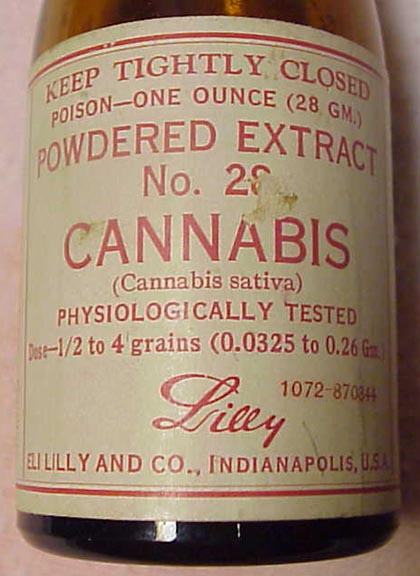

Earlier I posted about Eli Lilly withholding information from the public and physicians about some of the dangerous side effects of Zyprexa, an antipsychotic used for the treatment of schizophrenia and bipolar disorder. Today the New York Times reports that Eli Lilly has been promoting off label uses for Zyprexa:
Eli Lilly encouraged primary care physicians to use Zyprexa, a powerful drug for schizophrenia and bipolar disorder, in patients who did not have either condition, according to internal Lilly marketing materials.
The marketing documents, given to The New York Times by a lawyer representing mentally ill patients, detail a multiyear promotional campaign that Lilly began in Orlando, Fla., in late 2000. In the campaign, called Viva Zyprexa, Lilly told its sales representatives to suggest that doctors prescribe Zyprexa to older patients with symptoms of dementia.
Zyprexa is not approved to treat dementia or dementia-related psychosis, and in fact carries a prominent warning from the F.D.A. that it increases the risk of death in older patients with dementia-related psychosis. Federal laws bar drug makers from promoting prescription drugs for conditions for which they have not been approved — a practice known as off-label prescription — although doctors can prescribe drugs to any patient they wish.
Yet in 1999 and 2000 Lilly considered ways to convince primary care doctors that they should use Zyprexa on their patients. In one document, an unnamed Lilly marketing executive wrote that these doctors “do treat dementia” but “do not treat bipolar; schizophrenia is handled by psychiatrists.”
As a result, “dementia should be first message,” of a campaign to primary doctors, according to the document, which appears to be part of a larger marketing presentation but is not marked more specifically.
The issue of off-label marketing is controversial in the drug industry. Nearly every company is under either civil or criminal investigation for alleged efforts to expand the use of its drugs beyond the specific illness or condition for which they are approved.
At the 2001 meeting in Dallas with Zyprexa sales representatives, Mr. Bandick praised 16 representatives by name for the number of prescriptions they had convinced doctors to write, according to a script prepared in advance of the meeting. More than 100 other representatives had convinced doctors to write at least 16 extra prescriptions and thus “maxed out on a pretty sweet incentive,” he said.
“Olanzapine is the molecule that keeps on giving,” Mr. Bandick said.
Sunday, December 17, 2006
Polycystic Ovarian Syndrome, an introduction for psychiatrists


Polycystic ovarian syndrome (PCOS), also known as Stein-Leventhal syndrome, affects 6-10 % of women of reproductive age. Characteristic features of PCOS include menstrual cycle abnormalities and hyperandrogenism. Menstrual cycle abnormalities range from a decreased frequency of menses to complete amenorrhea, though some patients have normal menstrual cycles. Abnormal uterine bleeding can occur. Fertility is decreased. Manifestations of hyperandrogenism include acne, alopecia, and hirsutism. Recently hyperinsulinemia and insulin resistance have been recognized as features of PCOS (hyperandrogenism can lead to insulin resistance, and vice versa), and women with PCOS are at increased risk of type II diabetes mellitus. Obesity is common. The pathophysiology of PCOS is incompletely understood and the components of PCOS interact with each other in a complex manner. For example, obesity can lead to insulin resistance which can lead to hyperandrogenism.
Diagnosis of PCOS requires the exclusion of other causes of hyperandrogenism and anovulation/oligo-ovulation. Since pituitary or thyroid disease can cause ovulatory dysfunction, a prolactin level and TSH should be checked. Although the luteinizing hormone (LH)/ follicle stimulating hormone (FSH) ratio is usually greater than 2.5 to 3, a normal ratio does not exclude the diagnosis. A pregnancy test should also be checked. Androgen-producing neoplasms can be excluded by checking total testosterone and dehydroepiandrosterone sulfate (DHEAS) levels. Total testosterone levels are often mildly elevated in PCOS, but a level greater than 200 ng/dl suggests a virilizing neoplasm. 17-hydroxyprogesterone should be checked to screen for late-onset congenital adrenal hyperplasia. Sometimes a dexamethasone suppression test is performed to rule out Cushing’s syndrome. Non-obese patients should be screened for anorexia nervosa.
A transvaginal ultrasound is sometimes obtained in patients with PCOS; this test can identify most virilizing tumors. However, patients with PCOS do not always have radiographically demonstrated polycystic ovaries. In addition, approximately 25% of women with normal ovulation have polycystic-appearing ovaries.
Patients with PCOS are at increased risk for cardiovascular disease due to hyperandrogenism. Therefore fasting lipids should be checked. The patient should be assessed for other cardiac risk factors, such as smoking and hypertension. Due to the association between PCOS and insulin resistance, a fasting glucose level should be checked. Some also recommend checking insulin levels or glucose tolerance testing.
One of the primary treatments for PCOS is oral contraceptives, which suppress androgens. Sometimes spironolactone, which suppresses enzymes in the androgen biosynthetic pathway, is combined with oral contraceptives. Fertility can be increased by clomiphene citrate. Metformin, an insulin-sensitizing agent, has been shown to restore menstrual regularity. Weight loss is also helpful.
Several studies suggest that PCOS is more common in women with bipolar disorder or epilepsy than in the general population. Valproate probably increases the risk of PCOS. However, since the disorders that valproate is used to treat are also associated with PCOS, valproate has not been conclusively proven to be a causative factor for PCOS.
Psychiatrists should take a detailed menstrual history in female patients with bipolar disorder. It is also important to ask about hirsutism. Patients with baseline abnormalities should be referred to a primary care doctor for further evaluation. The development of PCOS symptoms during treatment also warrants referral to a primary care doctor. Symptoms of PCOS often remit or improve after the discontinuation of valproate. Prolactin-elevating antipsychotics can also cause menstrual abnormalities, and occasionally hirsutism.
--------------------------------------------------------------------
the above is for a psychiatry newsletter article I am writing
Saturday, December 16, 2006
Eli Lilly Minimizes Zyprexa Risk
The New York Times reports that Eli Lilly has been minimizing Zyprexa's risk for years:
Lilly’s own published data, which it told its sales representatives to play down in conversations with doctors, has shown that 30 percent of patients taking Zyprexa gain 22 pounds or more after a year on the drug, and some patients have reported gaining 100 pounds or more. But Lilly was concerned that Zyprexa’s sales would be hurt if the company was more forthright about the fact that the drug might cause unmanageable weight gain or diabetes, according to the documents, which cover the period 1995 to 2004.
Critics, including the American Diabetes Association, have argued that Zyprexa, introduced in 1996, is more likely to cause diabetes than other widely used schizophrenia drugs. Lilly has consistently denied such a link, and did so again on Friday in a written response to questions about the documents.
However, psychiatrists became well aware that Zyprexa was much more likely to cause weight gain, diabetes, and high cholesterol than other 2nd generation antipsychotics. So what did Eli Lilly do?
Lilly did expand its marketing to primary care physicians, who its internal studies showed were less aware of Zyprexa’s side effects. Lilly sales material encouraged representatives to promote Zyprexa as a “safe, gentle psychotropic” suitable for people with mild mental illness.
Eli Lilly repeatedly lied to or withheld information from doctors:
To reassure doctors, Lilly also publicly said that when it followed up with patients who had taken Zyprexa in a clinical trial for three years, it found that weight gain appeared to plateau after about nine months. But the company did not discuss a far less reassuring finding in early 1999, disclosed in the documents, that blood sugar levels in the patients increased steadily for three years.
In 2000 and 2001, more warning signs emerged, the documents show. In four surveys conducted by Lilly’s marketing department, the company found that 70 percent of psychiatrists polled had seen at least one of their patients develop high blood sugar or diabetes while taking Zyprexa, compared with about 20 percent for Risperdal or Seroquel. Lilly never disclosed those findings.
(Risperidone and Seroquel are antipsychotics that have a moderate risk of causing diabetes. The risk with these 2 drugs is less than that of Zyprexa, but greater than that of Abilify or Geodon)
I hope that Eli Lilly loses its lawsuits:
Last year, Lilly agreed to pay $750 million to settle suits by 8,000 people who claimed they developed diabetes or other medical problems after taking Zyprexa. Thousands more suits against the company are pending.
Because of the efforts of Eli Lilly, guidelines now force psychiatrists to monitor patients taking Geodon or Abilify for diabetes and other metabolic side effects. These drugs rarely cause metabolic side effects. All of the 2nd generation antipsychotics have been tarred with the FDA diabetes warning because Eli Lilly refused to own up to the problems with Zyprexa.
Thursday, December 14, 2006
Malpractice Immunity for Academic Physicians

Kevin MD linked to this article regarding immunity for physicians working for the state (in this case Ohio):
The Ohio Supreme Court issued its opinion this week in Theobald .v University of Cincinnati, granting blanket immunity from liability to physicians for their negligent acts when the medical malpractice occurs while the physician is teaching medical students or residents of a state medical school. It makes no difference whether the doctor is being paid privately or whether the doctor is acting outside of his official teaching capacity when the malpractice is committed. The bottom line is that the doctor may now be immune from suit and from accountability whenever a student is present during a medical procedure.
The lawyer writing this article just doesn't get it. In most states, full-time physician state employees are working for the state all the time, whether they are with students/residents or not. The usual university contract forbids full-time employees from practicing medicine except as part of their state employment. Billing is often done through a group practice plan (the university usually can't bill insurance companies directly). The income from this group practice plan is often controlled/distributed by the department chairman and is not the same as "being paid privately."
Here is how it works in Mississippi.
--------------------------
The actual court decision is interesting reading.
Thursday, November 30, 2006
Paxil linked to cardiac birth defects
WEDNESDAY, Nov. 29 (HealthDay News) -- A group representing America's obstetricians is recommending that women avoid the antidepressant Paxil if they are pregnant or planning on becoming pregnant, due to a potential heightened risk for birth defects.
The American College of Obstetricians and Gynecologists (ACOG) also cautioned that treatment with other antidepressants should be considered on a case-by-case basis.
ACOG's Committee on Obstetric Practice "recommends that treatment with all SSRIs [selective serotonin reuptake inhibitors] or selective norepinephrine reuptake inhibitors or both during pregnancy be individualized and paroxetine [Paxil] use among pregnant women or women planning to become pregnant be avoided, if possible," read the statement, which is in the December issue of Obstetrics & Gynecology.
The guidelines come a full year after the U.S. Food and Drug Administration (FDA) issued a warning about possible birth defects associated with Paxil when the drug is taken during the first trimester of pregnancy.
This warning was based on two studies. The first found about a 2 percent risk of heart defects in babies born to mothers who took Paxil early in their pregnancy, compared with a 1 percent risk in the general population.
The second study found that the risk of heart defects was 1.5 percent in babies whose mothers took Paxil in the first three months of pregnancy, compared with 1 percent in babies whose mothers took other antidepressants in the first trimester. The most common defects were cardiovascular.
"Since the FDA warnings a year ago, most ob/gyns have been trying to avoid Paxil during pregnancy," noted Dr. Jennifer Wu, an obstetrician/gynecologist at Lenox Hill Hospital in New York City. "This is just a formal statement by ACOG."
The initial FDA warning came in September of 2005. In December of the same year, the FDA instructed Paxil's maker, GlaxoSmithKline, to reclassify the drug from a Category C to D (a stronger warning) for pregnant women. Category D means studies in pregnant women have demonstrated a risk to the fetus.
Other reports had indicated that SSRIs, the category of antidepressants which includes Paxil as well as Celexa, Prozac and Zoloft, may cause newborns to have withdrawal symptoms.
ACOG acknowledged that these potential problems must be weighed against yet another study which found that pregnant women who discontinue their antidepressant medication are five times more likely to relapse into depression than women who continue with the medication.
"Untreated depression has its own risks, including low weight gain, alcohol and substance abuse, and sexually transmitted diseases, all of which have negative maternal and fetal health implications," the statement said.
Women of reproductive age have the highest prevalence of major depressive disorders, with ACOG experts estimating that about 1 in 10 will experience a bout of major or minor depression sometime during pregnancy or the postpartum period.
Ideally, these issues should be considered before a woman becomes pregnant, the ACOG panel said. But, given that about half of all pregnancies are not planned, many decisions regarding treatment will inevitably happen after the woman has conceived. Fetal echocardiography, which looks for heart trouble, should be considered for women who were exposed to Paxil in early pregnancy, the statement recommended.
"Women who have certain health problem such as depression really should try to plan their pregnancies with their ob/gyn and psychiatrist," Wu confirmed. "The major danger will be to women who have an unplanned pregnancy and don't realize it until they're two months along. There's a lot of organ development during that time, and exposure to certain SSRIs may pose some dangers."
The American College of Obstetricians and Gynecologists (ACOG) also cautioned that treatment with other antidepressants should be considered on a case-by-case basis.
ACOG's Committee on Obstetric Practice "recommends that treatment with all SSRIs [selective serotonin reuptake inhibitors] or selective norepinephrine reuptake inhibitors or both during pregnancy be individualized and paroxetine [Paxil] use among pregnant women or women planning to become pregnant be avoided, if possible," read the statement, which is in the December issue of Obstetrics & Gynecology.
The guidelines come a full year after the U.S. Food and Drug Administration (FDA) issued a warning about possible birth defects associated with Paxil when the drug is taken during the first trimester of pregnancy.
This warning was based on two studies. The first found about a 2 percent risk of heart defects in babies born to mothers who took Paxil early in their pregnancy, compared with a 1 percent risk in the general population.
The second study found that the risk of heart defects was 1.5 percent in babies whose mothers took Paxil in the first three months of pregnancy, compared with 1 percent in babies whose mothers took other antidepressants in the first trimester. The most common defects were cardiovascular.
"Since the FDA warnings a year ago, most ob/gyns have been trying to avoid Paxil during pregnancy," noted Dr. Jennifer Wu, an obstetrician/gynecologist at Lenox Hill Hospital in New York City. "This is just a formal statement by ACOG."
The initial FDA warning came in September of 2005. In December of the same year, the FDA instructed Paxil's maker, GlaxoSmithKline, to reclassify the drug from a Category C to D (a stronger warning) for pregnant women. Category D means studies in pregnant women have demonstrated a risk to the fetus.
Other reports had indicated that SSRIs, the category of antidepressants which includes Paxil as well as Celexa, Prozac and Zoloft, may cause newborns to have withdrawal symptoms.
ACOG acknowledged that these potential problems must be weighed against yet another study which found that pregnant women who discontinue their antidepressant medication are five times more likely to relapse into depression than women who continue with the medication.
"Untreated depression has its own risks, including low weight gain, alcohol and substance abuse, and sexually transmitted diseases, all of which have negative maternal and fetal health implications," the statement said.
Women of reproductive age have the highest prevalence of major depressive disorders, with ACOG experts estimating that about 1 in 10 will experience a bout of major or minor depression sometime during pregnancy or the postpartum period.
Ideally, these issues should be considered before a woman becomes pregnant, the ACOG panel said. But, given that about half of all pregnancies are not planned, many decisions regarding treatment will inevitably happen after the woman has conceived. Fetal echocardiography, which looks for heart trouble, should be considered for women who were exposed to Paxil in early pregnancy, the statement recommended.
"Women who have certain health problem such as depression really should try to plan their pregnancies with their ob/gyn and psychiatrist," Wu confirmed. "The major danger will be to women who have an unplanned pregnancy and don't realize it until they're two months along. There's a lot of organ development during that time, and exposure to certain SSRIs may pose some dangers."
Friday, November 24, 2006
That Wacky Kramer

The Reverend Jesse Jackson feels that Michael Richards needs psychiatric help:
First he went on national television to apologize for his racial tirade against two black hecklers. Now Michael Richards is taking his contriteness to the next level: he's hired a public relations expert with deep contacts in the black community.
New York publicist Howard Rubenstein took on Richards as a client Wednesday after being contacted by the actor-comedian. He then arranged for Richards to call the Revs. Jesse Jackson and Al Sharpton.
"Clearly he needs some race sensibility training, and some psychiatric help. His anger is volatile and dangerous to himself and others," Jackson said.
The number of children on Psych meds is increasing

The New York Times reports on the increasing number of children on psychiatric meds. Many children are now taking combinations of 3 or more psychiatric medications:
There is little doubt that some psychiatric medicines, taken by themselves, work well in children. For example, dozens of studies have shown that stimulants improve attentiveness. A handful of other psychiatric drugs have proven effective against childhood obsessive compulsive disorder, among other problems.
But a growing number of children and teenagers in the United States are taking not just a single drug for discrete psychiatric difficulties but combinations of powerful and even life-threatening medications to treat a dizzying array of problems.
Last year in the United States, about 1.6 million children and teenagers — 280,000 of them under age 10 — were given at least two psychiatric drugs in combination, according to an analysis performed by Medco Health Solutions at the request of The New York Times. More than 500,000 were prescribed at least three psychiatric drugs. More than 160,000 got at least four medications together, the analysis found.
Sunday, November 19, 2006
Sleep deprivation and driving

Sleep Review reports:
A recent online article from ABC News reports that Stanford University researchers have found that staying awake for 24 hours has the same effect as being legally drunk. Clearly, sleep deprivation can be pretty strong stuff. We know it leads to mood swings, confusion, impaired motor coordination and more. But can going without sleep for 24-hours make you, say, slur your speech and wear a lampshade on your head? Steven Howard, associate professor of anesthesia and an expert on sleep deprivation and fatigue teamed up with colleagues to study 24 nurses and 25 doctors who worked the 12-hour graveyard shift at Stanford Hospital. Half were given a 40-minute nap break at 3am, in the middle of their shift, and the other half worked straight through. At the end of their shifts, study participants took a variety of tests including a simulated 40-minute drive. Those who had not napped—but were instead sleep-deprived—turned out to be dangerous drivers. According to the researchers, the non-nappers crashed “over and over again.” The nappers did much better when it came to memory, dexterity, and mood as well. They outranked the non-nappers on a written memory test and a simulated insertion of an intravenous tube. Both groups even took a test designed by NASA that measured different mood states like confusion, fatigue, anger, and vigor. On the test, the nappers showed fewer performance lapses, less fatigue, and more vigor.
Both sleep deprivation and alcohol intoxication make driving more dangerous. Combining the two is especially dangerous.
Pre-Traumatic Stress Disorder
NORFOLK, VA—Pre-traumatic stress disorder, a future-combat-related psychological condition previously thought to afflict only young soldiers drafted against their will, is now found in growing numbers among National Guard members, Army, Navy, Marine, and Air Force reservists, semi-retired officers, and the newly recruited, according to a government study released Monday.
"When soldiers are put in the extreme situation of facing the possibility of large-scale death and shocking violence, many experience sleeplessness and outbursts of anger," said Walter Reed Army Hospital psychologist Capt. Sidney Mullenthauer. "We're seeing more victims experience vivid, ultra-realistic flash-forwards of roadside bombings that tear through a group of innocent children, or rocket attacks on their convoys that leave fellow soldiers charred and smoldering."
The study, conducted by the Department Of Future Veterans Affairs, found that 80 percent of part-time soldiers reported no signs of Pre-TSD while carrying out their obligatory one weekend of duty a month, but quickly developed severe symptoms upon receiving orders for active combat.
In addition, a significant number of those who will enter a war zone say they are plagued by repeated visions of atrocities, torture, and the CNN logo.
"When soldiers are put in the extreme situation of facing the possibility of large-scale death and shocking violence, many experience sleeplessness and outbursts of anger," said Walter Reed Army Hospital psychologist Capt. Sidney Mullenthauer. "We're seeing more victims experience vivid, ultra-realistic flash-forwards of roadside bombings that tear through a group of innocent children, or rocket attacks on their convoys that leave fellow soldiers charred and smoldering."
The study, conducted by the Department Of Future Veterans Affairs, found that 80 percent of part-time soldiers reported no signs of Pre-TSD while carrying out their obligatory one weekend of duty a month, but quickly developed severe symptoms upon receiving orders for active combat.
In addition, a significant number of those who will enter a war zone say they are plagued by repeated visions of atrocities, torture, and the CNN logo.
Tuesday, November 14, 2006
Risperidone approved for autism

The Food and Drug Administration has approved risperidone for treatment of irritability associated with autism. This approval addresses aggression, deliberate self-injury, and temper tantrums in children aged 5 years and older, and in adolescents.
In an interview, Dr. Christopher J. McDougle characterized the FDA approval as a major development. “There is no drug currently approved for autism, so it's a tremendous breakthrough,” said Dr. McDougle, the Albert E. Stern Professor and chairman of the department of psychiatry at Indiana University, Indianapolis.
The new indication is based in part on a multicenter, randomized, double-blind study that showed significant behavioral improvements among 49 children treated with risperidone, compared with 52 given a placebo (N. Engl. J. Med. 2002;347:314–21). Researchers assessed response using the Irritability Subscale of the Aberrant Behavior Checklist and the rating on the Clinical Global Impressions-Improvement Scale. There were 33 responders in the risperidone group and 6 responders in the placebo group.
In an open-label, 8-week follow-up study, the 46 nonresponders to placebo were given risperidone, and 30 responded. Researchers then monitored all responders and demonstrated that the benefit of treatment persisted for these patients out to 6 months (Am. J. Psychyiatry 2005;162:1361–9). The authors added, however, that discontinuation after 6 months “was associated with a rapid return of disruptive and aggressive behavior in most subjects.”
These studies were sponsored by the National Institute of Mental Health. The benefit of treatment persisted out to 6 months in the 63 of the children who had a positive response at 8 weeks.
Dr. McDougle emphasized that the approval is not for treatment of autism across the board. “It's important for people to realize the drug is approved for associated symptoms—not the core social and communication symptoms,” he said.
The percentage of pediatric patients with autism who display aggression, deliberate self-injury, and/or temper tantrums is probably in the range of 20%–30%, Dr. Scahill said. He characterized that range as sizable.
-----------------------------------------
I have several adult patients with autism, and have found risperidone effective for treating their hyperactivity and self-injurious behavior.
Doctors are like Convicts

"They make you feel like a convict" is what doctors say about the people, commissions, agencies and departments we must answer to, every month, for the rest of our lives, or be stripped of the right to practice medicine (as well as the ability to earn a living). Every doctor lives under continuous scrutiny from federal, state, hospital, insurance company, specialty board, medico-legal, and professional conduct organizations. Hundreds of pages of forms must be filled out, hundreds of thousands of dollars spent, hundreds of hours of study and examination must be completed every year — just to stay in practice — and that's after Board Certification, a process at then end of ten years of intense training, study, work and examination.
Each of these burdens is placed on the doctor in the name of "protecting the public", but everyone in the medical business knows the plain truth: that not one of these actually helps us treat patients, not one makes us better doctors. You become a better doctor when you notice patterns, when you get out of your own way enough to hear real complaints and treat them. You might scrub in with a friend who does a new procedure, go to an interesting course (the good ones often don't give CME — mandated continuing medical education — credits) or you might become a better doctor in your room at night with your old books that you see in a new light because you've seen a certain case that day. Every doctor knows this: however it happens, professional growth does not take place via "administrative compliance." The public is not protected at all by these things. What they do protect is the livelihood of an entire class — the millions who make their livings in the public and private "administration" of American medicine. Do I want to feed my little girl to this beast? I don't think so.
Friday, November 10, 2006
Democrats hate Mississippi

A Mississippi congressman says Rep. Charles Rangel of New York owes the southern state an apology, and he asks if insults are what Mississippi should expect when Democrats take over leadership in Congress.
Rangel, a Democrat, was quoted in The New York Times on Thursday saying: "Mississippi gets more than their fair share back in federal money, but who the hell wants to live in Mississippi?"
Rangel said he didn't intend to insult the state, but Rep. Chip Pickering, R-Miss., issued a sharp statement criticizing the choice of words.
"I hope his remarks are not the kind of insults, slander and defamation that Mississippians will come to expect from the Democrat leadership in Washington, D.C.," Pickering said.
via Drudge
the image is from this website.
Subscribe to:
Posts (Atom)